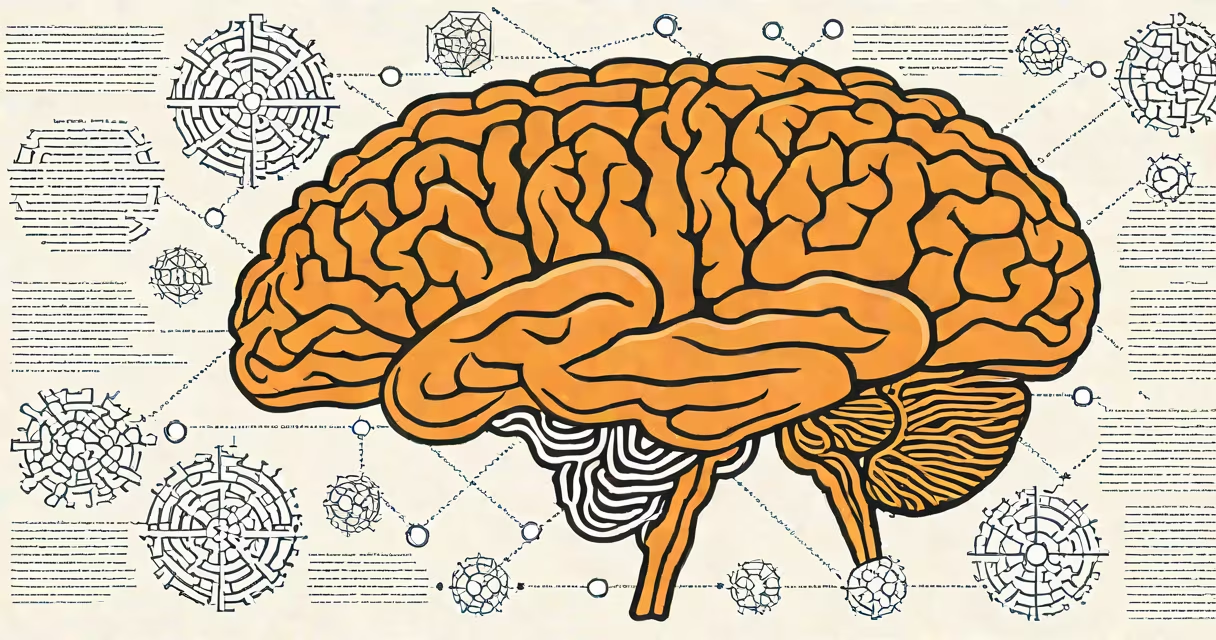
Cognition is the medical term for the brain's processes of acquiring, storing, processing, and retrieving information, encompassing perception, attention, memory, language, reasoning, and problem-solving. These functions enable humans to interact with their environment and adapt to new situations.
Cognitive processes involve complex interactions between different brain regions, including the prefrontal cortex, hippocampus, and amygdala. The prefrontal cortex plays a key role in executive functions such as decision-making and planning, while the hippocampus is essential for forming new memories. The amygdala processes emotions, which influence cognitive functions like attention and memory.
| Type | Description | Example |
|---|---|---|
| Perception | Interpreting sensory information | Recognizing a face in a crowd |
| Attention | Focusing on specific stimuli | Reading a book while ignoring background noise |
| Memory | Storing and retrieving information | Recalling a phone number |
| Language | Understanding and producing speech | Having a conversation |
| Reasoning | Drawing conclusions from information | Solving a math problem |
| Problem-Solving | Finding solutions to challenges | Figuring out how to fix a broken appliance |
Cognitive functions are used in everyday activities, from simple tasks like remembering a grocery list to complex ones like driving a car. They are essential for learning, decision-making, and social interactions. In medical contexts, understanding cognition is important for diagnosing and treating conditions like psychosis, dementia, and traumatic brain injuries.
Cognitive assessments are often used to evaluate mental status and detect impairments. For example, the Mini-Mental State Examination (MMSE) is a widely used test that assesses orientation, memory, attention, and language. These assessments help healthcare professionals identify cognitive deficits and develop appropriate treatment plans.
One common misconception is that cognition is solely related to intelligence. While intelligence is a component of cognition, it is not the only factor. Cognition encompasses many mental processes, including emotional regulation and sensory perception, which are equally important for brain function.
Another misconception is that cognitive abilities are fixed and cannot be improved. Research has shown that cognitive training and lifestyle changes, such as regular exercise and a healthy diet, can improve cognitive functions., certain medications, like those prescribed for attention deficit hyperactivity disorder (ADHD), can improve cognitive performance in specific areas.
In medical practice, cognition is assessed and monitored to diagnose and treat various conditions. For instance, cognitive impairments are a sign of neurodegenerative diseases like Alzheimer's disease. Healthcare professionals use cognitive tests to monitor the progression of these diseases and evaluate the effectiveness of treatments.
Cognitive rehabilitation is another area where understanding cognition is important. This approach involves therapies and exercises designed to improve cognitive functions in individuals who have suffered brain injuries or strokes. By targeting specific cognitive processes, these interventions can help patients regain lost abilities and improve their quality of life.
I once observed a cognitive rehabilitation session where a patient with a traumatic brain injury was trained to use memory aids and organizational strategies to compensate for deficits in attention and memory. The progress was notable, highlighting the potential for cognitive improvement with targeted interventions.
The cognition definition medical encompasses the brain's processes for acquiring, storing, and using information, which are essential for understanding human behavior and neurological health. By recognizing the complexity and importance of cognitive functions, healthcare professionals can better diagnose, treat, and manage conditions that affect the brain. Understanding cognition also empowers individuals to take proactive steps to maintain and improve their mental health.