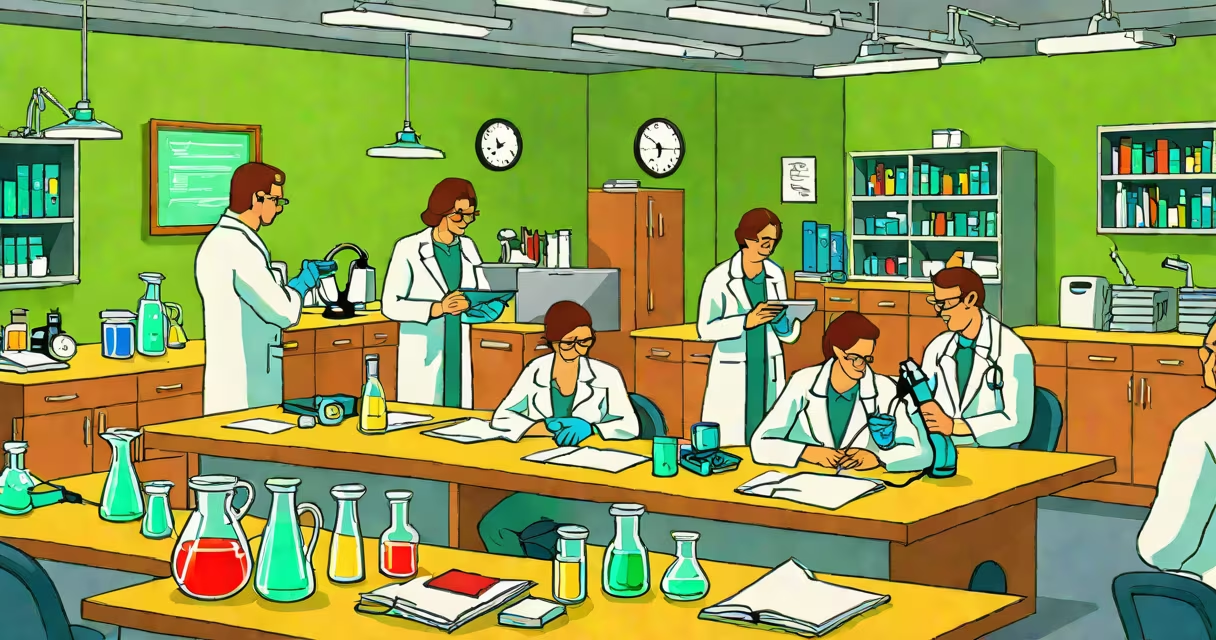
Forensics is a scientific field focused on applying principles of biology, chemistry, and physics to legal investigations. Colleges offering forensics as a major provide specialized programs in crime scene analysis, lab techniques, and legal procedures.
Forensic science programs combine classroom instruction with hands-on training. Students learn to collect, analyze, and interpret evidence. Courses cover topics like DNA analysis, fingerprint identification, and toxicology. Many programs include internships at crime labs or law enforcement agencies.
| Degree Type | Duration | Key Focus Areas |
|---|---|---|
| Associate Degree | 2 years | Basic crime scene processing, introductory lab techniques |
| Bachelor's Degree | 4 years | Advanced forensic methods, specialized labs, internships |
| Master's Degree | 2 years | Research, expert testimony, forensic consulting |
| Doctorate (PhD) | 4-6 years | Original research, academia, high-level forensic leadership |
Forensic science programs are offered at community colleges, universities, and specialized institutions. The U.S. Bureau of Labor Statistics projects a 14% growth in forensic science technician jobs. Graduates work in crime labs, law enforcement, and private investigative firms.
Many students choose forensic science because they want to apply their scientific skills to solve real-world problems. Others are drawn to the field by popular TV shows like CSI or NCIS, though the reality involves more lab work and less glamour.
One common misconception is that forensic science is purely about solving crimes. In reality, it's a broad field that includes digital forensics, forensic accounting, and forensic anthropology. Another myth is that graduates only work in law enforcement. Many find careers in academia, research, or private industry.
Forensic science programs often require students to complete internships. These internships provide practical experience and can lead to job offers. For example, the University of Florida's forensic science program partners with local law enforcement agencies to offer hands-on training.
Forensic science also intersects with technology. Digital forensics, for example, involves recovering and analyzing data from computers and mobile devices. This field is growing rapidly as cybercrime increases.
The University of Florida offers a Bachelor of Science in Forensic Science. The program includes courses in biology, chemistry, and criminal justice. Students complete a senior thesis and an internship. Graduates have gone on to work for the FBI, DEA, and private forensic labs.
I visited the University of Florida's forensic science lab during a campus tour. The lab was equipped with modern technology, including DNA sequencers and mass spectrometers. The professor leading the tour emphasized the importance of hands-on experience in the field.
Colleges that offer forensics as a major provide students with the skills needed to analyze evidence and solve crimes. These programs combine classroom learning with practical experience. Graduates work in various fields, from law enforcement to research. For those interested in a career in forensic science, pursuing a degree from one of these colleges is a great start.