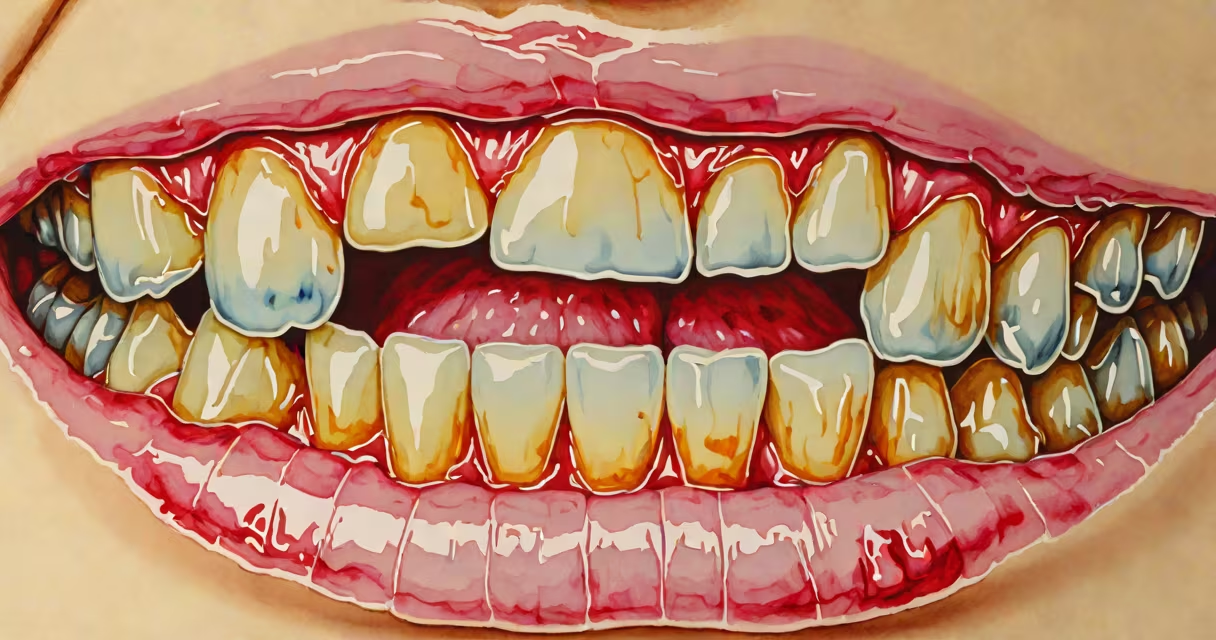
A cold sore inside mouth gums is a painful blister caused by the herpes simplex virus (HSV-1), typically appearing as small, fluid-filled lesions on gum tissue. Unlike canker sores, these lesions are contagious and recur due to viral reactivation.
The herpes simplex virus remains dormant in nerve cells after initial infection. Triggers like stress, illness, or sunlight can reactivate it, causing viral particles to travel to mucous membranes where they form cold sores. Inside the mouth, these typically appear on movable mucosal surfaces rather than attached gingiva.
| Lesion Type | Location | Appearance |
|---|---|---|
| Intraoral herpes | Gums, palate, tongue | Small clusters of vesicles |
| Gingivostomatitis | Entire mouth | Severe ulceration with fever |
| Recurrent intraoral herpes | Same location repeatedly | Single or multiple ulcers |
Antiviral medications like acyclovir work best when taken at first signs of outbreak. Topical treatments including docosanol cream may help reduce pain and healing time. Pain relief options include:
Consult a healthcare provider if:
Severe cases may require intravenous antiviral therapy or hospitalization for supportive care.
While you can't cure HSV-1, you can reduce outbreak frequency through:
Prophylactic antiviral therapy may be prescribed for frequent outbreaks.
They're also not related to cold or flu viruses despite the name "cold sore."