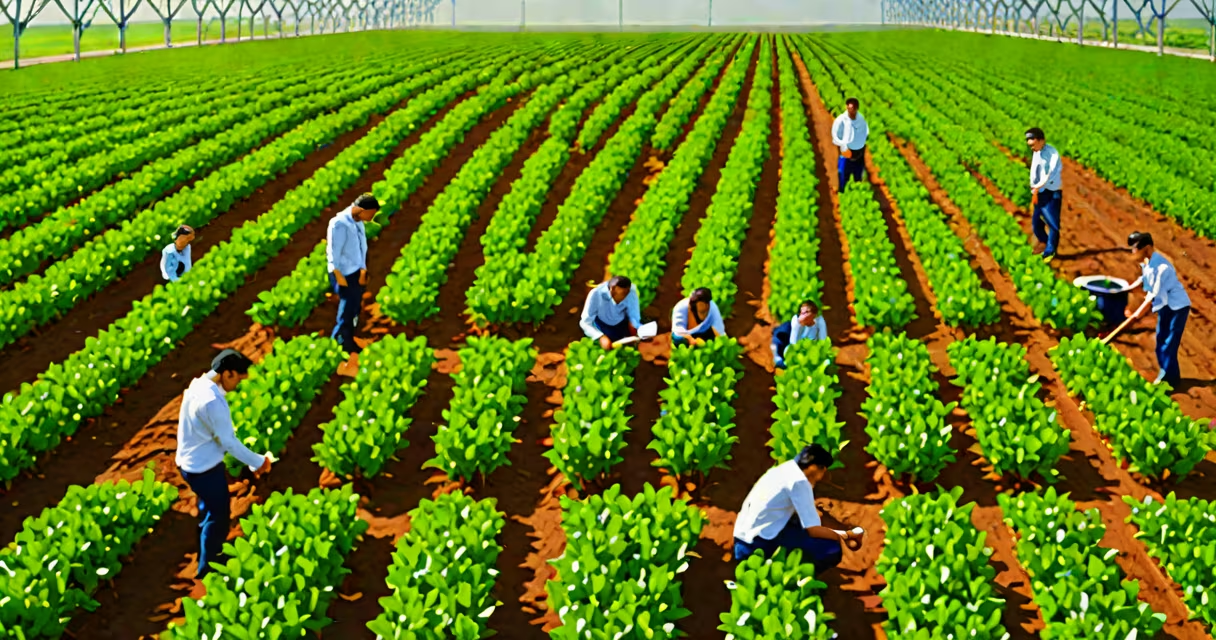
A BSc in Agriculture is a three-year undergraduate degree program focusing on agricultural science, including crop production, animal husbandry, soil science, and agricultural economics. These programs are offered by specialized agriculture colleges and universities with strong agricultural research departments.
BSc Agriculture programs combine classroom instruction with hands-on fieldwork and laboratory research. Students typically complete coursework in plant biology, animal science, agronomy, and agricultural engineering. Many programs also require internships or cooperative education experiences at farms, agricultural businesses, or research institutions.
For example, the University of California, Davis offers a BSc in Agricultural and Environmental Sciences with specializations in areas such as plant sciences, animal science, and agricultural systems technology. The program includes coursework in crop production, soil science, and agricultural economics, along with opportunities for research and internships.
| Program Type | Focus Area | Duration |
|---|---|---|
| General Agriculture | Broad overview of agricultural science | 3 years |
| Agronomy | Crop production and soil management | 3 years |
| Animal Science | Livestock production and animal health | 3 years |
| Agricultural Engineering | Farm machinery and irrigation systems | 3 years |
BSc Agriculture programs are offered by both public and private universities, as well as specialized agriculture colleges. Many of these institutions have strong ties to local agricultural industries, providing students with networking and job placement opportunities.
According to the U.S. Department of Agriculture, the demand for agricultural professionals is expected to grow in the coming years due to advancements in technology and the need for sustainable farming practices. Graduates of BSc Agriculture programs can pursue careers in farming, agricultural research, agribusiness, and government agencies.
One common misconception is that a BSc in Agriculture is only suitable for those who want to become farmers. In reality, the degree prepares students for many careers in agricultural research, agribusiness, and policy-making., many people assume that agriculture is a declining industry, but the global population growth and increasing demand for food and biofuels make it a important and growing field.
Admission requirements for BSc Agriculture programs typically include a high school diploma with a focus on science and mathematics. Some programs may also require standardized test scores and letters of recommendation. Prospective students should research specific admission requirements for each program and consider applying to multiple institutions to increase their chances of acceptance.
For example, the University of Florida's Institute of Food and Agricultural Sciences requires applicants to have completed coursework in biology, chemistry, and algebra. The university also recommends that applicants participate in agricultural activities or internships to gain practical experience.