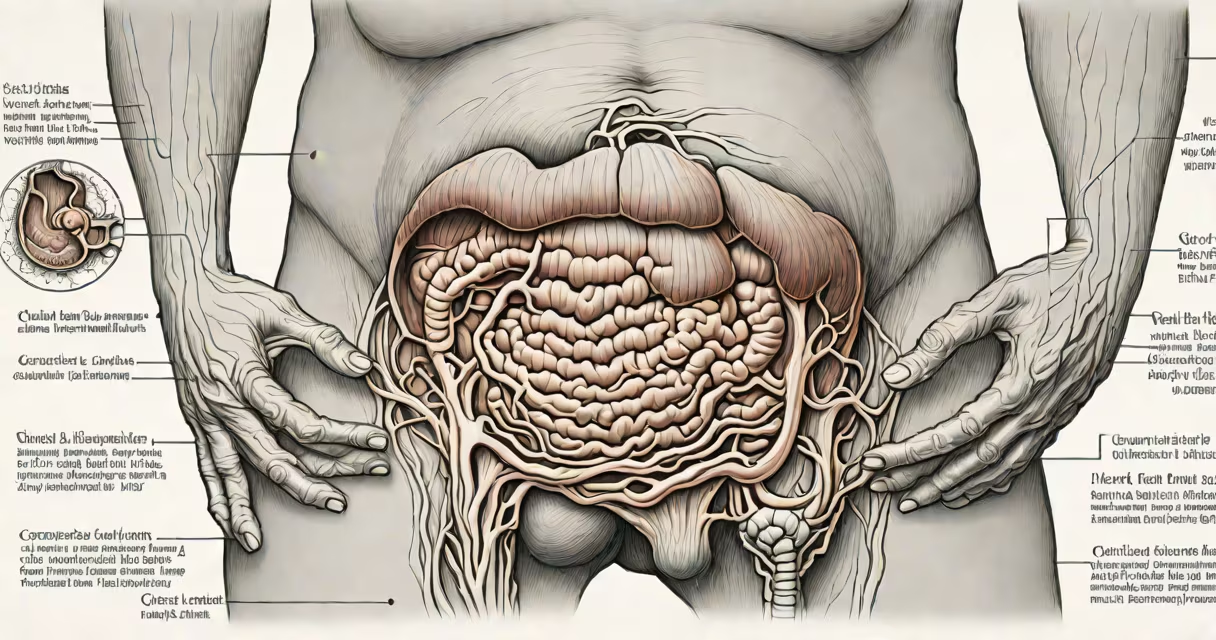
Gastritis complications occur when chronic stomach inflammation damages tissues, disrupts digestion, or enables infections. These range from mild discomfort to perforations requiring emergency surgery.
Gastritis weakens the stomach lining, making it vulnerable to erosion from digestive acids. The body responds with inflammation, which can progress to scarring if untreated. This creates pathways for bacteria like Helicobacter pylori to enter deeper tissues, causing ulcers or systemic infections.
In severe cases, inflammation spreads beyond the stomach. The pancreas may produce digestive enzymes prematurely, leading to pancreatitis. The small intestine can develop celiac-like reactions to food, even without gluten intolerance.
| Complication | Cause | Risk Factors |
|---|---|---|
| Peptic ulcers | Acid erosion through weakened lining | H. pylori infection, NSAID use |
| Stomach bleeding | Erosion of blood vessels | Severe inflammation, alcohol abuse |
| Stomach perforation | Ulcer burrows completely through wall | Untreated ulcers, vomiting |
| Stomach cancer | Chronic inflammation damages DNA | Long-term H. pylori, smoking |
Perforations create holes where stomach contents leak into the abdomen, causing peritonitis. This requires immediate surgery to clean the abdominal cavity and repair the stomach wall. Without treatment, sepsis can develop within hours.
Stomach cancer risk increases 6-fold with chronic gastritis, according to the American Cancer Society. Most cases develop after 10+ years of untreated inflammation.
Many assume gastritis complications only affect heavy drinkers. While alcohol worsens gastritis, even moderate drinkers face risks. I saw this firsthand treating a patient with perforated ulcers who drank only occasionally but had undiagnosed H. pylori.
Another myth claims spicy foods cause complications. While they may irritate existing inflammation, they don't create the underlying damage. The real culprits are chronic infections and prolonged acid exposure.
Regular testing for H. pylori prevents most complications. Antacids and proton pump inhibitors reduce acid exposure during flare-ups. Avoiding NSAIDs and limiting alcohol further lowers risks.