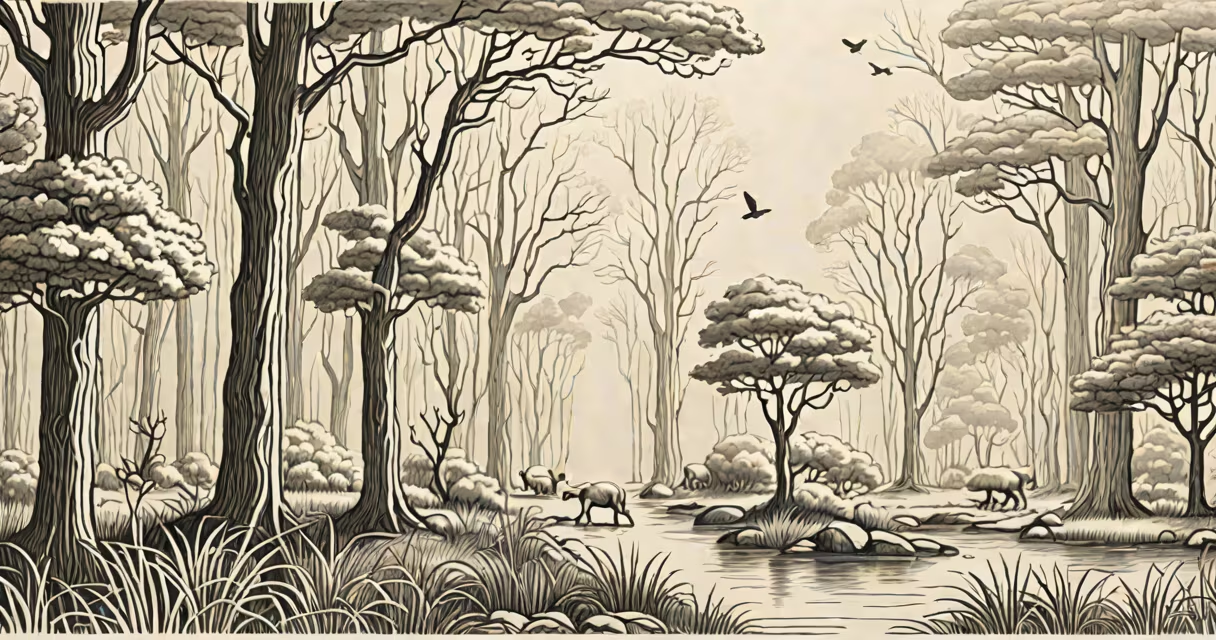
An system consists of living organisms (biotic factors) and nonliving elements (abiotic factors) interacting in a specific environment. These components form a complex network where energy flows through food chains and nutrients cycle between organisms and their surroundings.
Ecosystems contain two primary types of components: biotic and abiotic factors. Biotic factors include plants, animals, fungi, and microorganisms. Abiotic factors encompass nonliving elements such as sunlight, temperature, wind, water, and soil.
For example, in a desert system, biotic factors include cacti, snakes, and insects, while abiotic factors include sand, heat, and limited rainfall. The interaction between these factors determines the system's health and stability.
Ecosystems vary widely based on climate, geography, and organisms present. Major types include forests, grasslands, deserts, wetlands, and aquatic ecosystems. Each type has unique biotic and abiotic components that define its structure and function.
| System Type | Key Biotic Factors | Key Abiotic Factors |
|---|---|---|
| Forest | Trees, birds, mammals | Sunlight, rainfall, soil |
| Grassland | Grasses, herbivores, insects | Wind, temperature, soil |
| Desert | Cacti, reptiles, insects | Heat, sand, limited water |
| Wetland | Plants, fish, amphibians | Water, oxygen levels, soil |
| Aquatic | Algae, fish, plankton | Water temperature, pH, oxygen |
Energy flows through ecosystems via food chains, where producers (like plants) convert sunlight into energy through photosynthesis. Consumers (such as herbivores and predators) then eat these producers, transferring energy up the food chain.
For instance, in a forest system, sunlight is absorbed by trees, which are eaten by deer. Predators like wolves then hunt the deer, creating a changing energy flow. Decomposers, such as fungi and bacteria, break down dead organic matter, recycling nutrients back into the system.
Many people confuse ecosystems with habitats. A habitat refers to the specific environment where an organism lives, while an system includes both the organisms and their interactions within that environment.
For example, a cheetah's habitat is the savanna, but its system includes the savanna's grasses, prey animals, predators, and abiotic factors like sunlight and temperature. Understanding this distinction is important for studying ecological relationships.
Another misconception is that ecosystems are static. In reality, they are changing and constantly changing due to natural processes, seasonal variations, and human activities. For example, deforestation can alter an system by reducing biodiversity and disrupting energy flow.
Human activities impact ecosystems. Deforestation, pollution, and climate change can disrupt the balance of biotic and abiotic factors, leading to system degradation. Conservation efforts, such as reforestation and sustainable practices, are essential for maintaining system health.
For example, the restoration of wetlands can improve water quality, support biodiversity, and improve natural flood control. These efforts show the importance of understanding and protecting the components of an system.
In my experience working on conservation projects, I've seen firsthand how restoring native plant species can revitalize an system. By reintroducing key biotic factors, we can help rebuild the natural balance and support the return of other organisms.