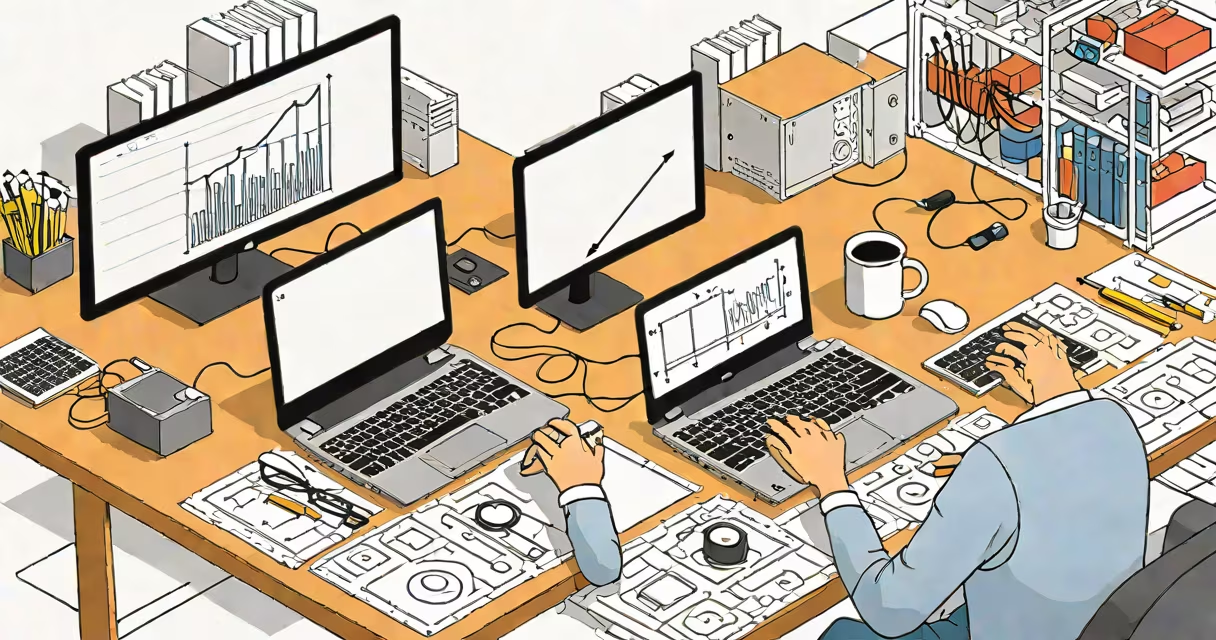
Computer training for beginners is structured education designed to teach fundamental digital skills to people with little or no prior experience. These programs typically cover hardware basics, operating systems, software applications, and essential cybersecurity practices.
Most beginner programs follow a progressive curriculum, starting with basic concepts like identifying computer components and going through an operating system. As learners advance, they tackle more complex topics such as file management, using productivity software, and understanding internet safety.
Training often combines video lessons, interactive tutorials, and hands-on exercises. Many programs include quizzes and projects to reinforce learning. Some courses offer certification upon completion, which can be useful for job seekers or those looking to demonstrate proficiency.
Many adults seek computer training to improve job prospects or adapt to technology-dependent work environments. Schools often provide basic computer courses to prepare students for further education. Senior centers and community organizations frequently offer training to help older adults stay connected with family and access important services online.
A common misconception is that computer training requires expensive equipment or software. In reality, most beginner courses can be completed on any standard computer with internet access. Many programs are designed to be platform-agnostic, working equally well on Windows, macOS, or even Chromebooks.
Some people believe computer training is only for young people or those with technical backgrounds. In reality, these programs serve diverse populations, including seniors, career changers, and people returning to the workforce. Another myth is that computer training requires prior technical knowledge. The best beginner programs assume no previous experience and start with absolute basics.
When I helped organize a computer training program at a local community center, we saw participants ranging years old. The most successful learners were those who approached the material with patience and a willingness to make mistakes - exactly what beginner training is designed for.
Most people begin with free resources like GCF Global's Computer Basics or DigitalLearn's collection of tutorials. These platforms offer structured courses that walk beginners through fundamental concepts at their own pace. For those who prefer in-person instruction, local libraries, community colleges, and senior centers often host beginner computer classes.
After completing basic training, many learners progress to more specialized areas like building computers or learning programming fundamentals. The key to success is consistent practice and applying new skills to real-world tasks.