Computer vision applications are software programs that enable machines to interpret and make decisions based on visual data from the world. These applications use artificial intelligence (AI) and machine learning algorithms to analyze digital images, videos, and other visual inputs.
Computer vision applications process visual data through several steps. First, they acquire the image or video using cameras or other sensors. Next, they preprocess the data to improve its quality and prepare it for analysis. Then, they apply machine learning algorithms to identify patterns and features in the data. Finally, they interpret the results and make decisions based on the analysis.
Computer vision applications can be categorized into several types based on their functionality:
| Type | Description | Example |
|---|---|---|
| Image Classification | Identifies the category of an image | Sorting products in an online store |
| Object Detection | Locates and identifies objects within an image | Self-driving cars identifying pedestrians and other vehicles |
| Facial Recognition | Identifies or verifies individuals based on facial features | Unlocking smartphones using face ID |
| Augmented Reality | Overlays digital information onto the real world | Virtual try-on for clothing and accessories |
Computer vision applications are used in various industries, including healthcare, automotive, retail, and manufacturing. In healthcare, they are used for medical imaging and diagnosis. In the automotive industry, they enable self-driving cars to go through roads safely. In retail, they help with inventory management and customer service. In manufacturing, they ensure quality control and improve efficiency.
One common misconception is that computer vision applications can only recognize objects in controlled environments. However, advancements in deep learning have enabled computer vision to work in real-world settings with varying lighting conditions, angles, and backgrounds. Another misconception is that computer vision applications are always accurate. While they have high accuracy rates, they can still make mistakes, especially with complex or ambiguous images.
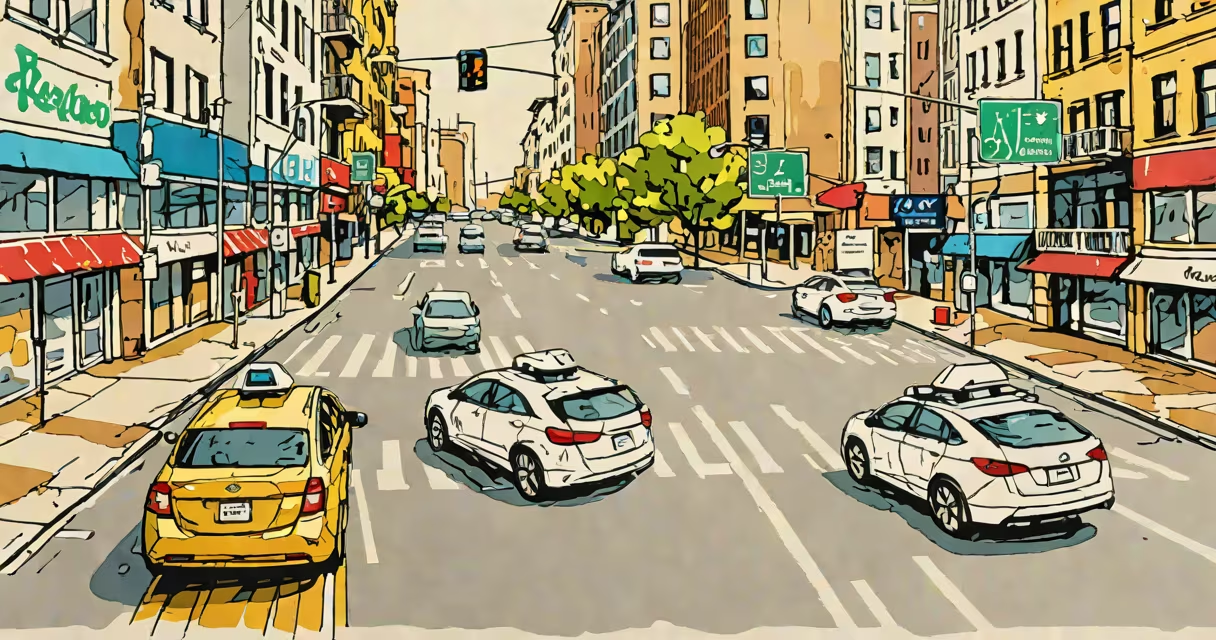
Self-driving cars rely heavily on computer vision applications to go through roads safely. They use cameras and sensors to detect objects such as pedestrians, other vehicles, and traffic signs. The computer vision system then processes this data in real-time to make decisions about steering, braking, and accelerating. For example, if a pedestrian is detected crossing the road, the self-driving car will slow down or stop to avoid a collision.
While computer vision applications can perform many tasks that human vision can, they are not a perfect replacement. Human vision is highly adaptable and can process complex scenes with ease. In contrast, computer vision applications require extensive training and can struggle with tasks that humans find simple, such as recognizing objects in low-light conditions or understanding context.
According to a study by MarketsandMarkets, the global computer vision market size is expected to grow from $10 billion in 2020 to $17 billion by 2026, at a compound annual growth rate (CAGR) of 9.4%. This growth is driven by the increasing demand for automation and the need for improved safety and security measures.