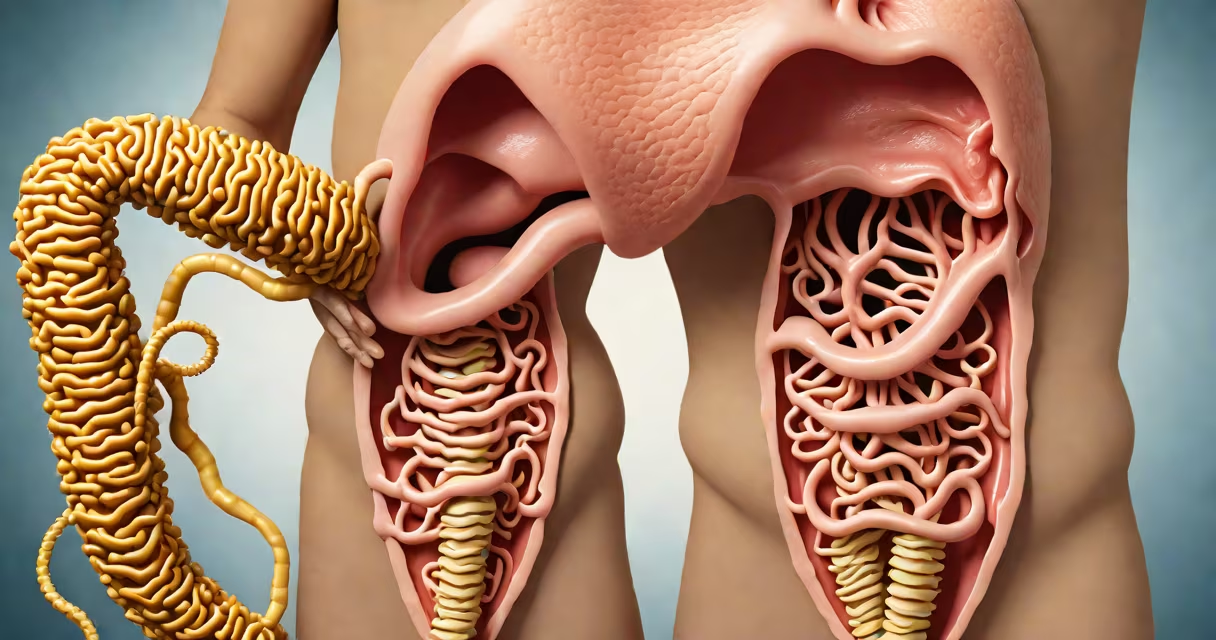
A constant urge to burp happens when excess air in your stomach pushes against your lower esophageal sphincter, triggering involuntary muscle contractions. This common but disruptive symptom often stems from dietary habits, swallowing air, or underlying digestive disorders.
Burping (or belching) releases air from your stomach through your mouth. The lower esophageal sphincter normally prevents stomach contents from flowing backward, but when gas builds up, it relaxes to allow air to escape. Most burps contain odorless stomach air, but sometimes they carry sulfur compounds from digested food, creating a foul smell.
The most common triggers for frequent burping include:
Less obvious causes include gastroesophageal reflux disease (GERD), gastric ulcers, or Helicobacter pylori infections. Some medications (like antacids containing simethicone) can also increase burping.
Occasional burping is normal, but persistent symptoms-especially when accompanied by heartburn, abdominal pain, nausea, or vomiting-may indicate a medical condition requiring treatment. Chronic burping without clear cause warrants evaluation for GERD, gastritis, or even psychological factors like anxiety.
I once worked with someone who burped constantly during meetings. After several weeks, they visited a doctor and discovered they had an undiagnosed hiatal hernia causing chronic acid reflux. Treatment resolved their burping within days.
Many people assume burping is always harmless, but excessive belching can signal serious issues. Another myth is that burping always relieves gas-sometimes it just moves air between the stomach and intestines without providing relief., while carbonated drinks are obvious culprits, dairy products and artificial sweeteners can also trigger burping in sensitive individuals.
Simple lifestyle changes often reduce frequent burping: