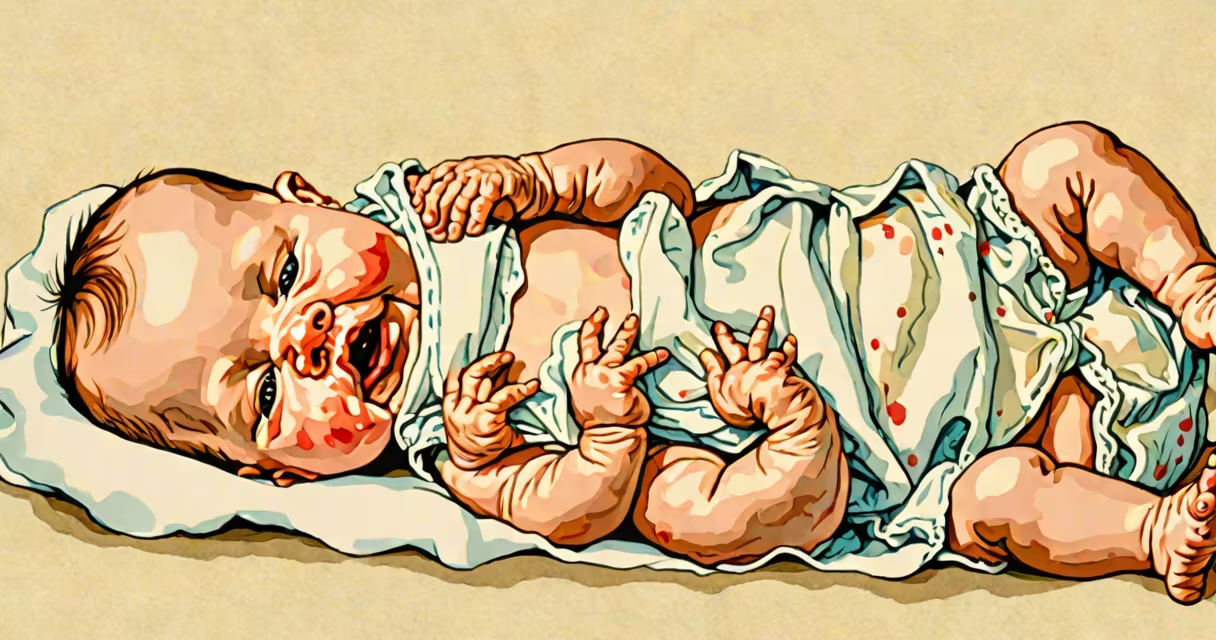
A constipated 2-week-old typically has fewer bowel movements than usual, passes hard or pellet-like stools, or shows signs of discomfort during elimination. Newborns normally have 1-7 bowel movements daily, but frequency varies by feeding type.
Breastfed babies often pass mustard-yellow, seedy stools several times daily. By contrast, formula-fed infants may go 1-2 days between soft, clay-colored stools. Neither pattern necessarily indicates constipation.
Dehydration, formula changes, or intolerance to proteins in cow's milk are frequent culprits. Some medications (like iron supplements) can also contribute.
| Cause | Breastfed Babies | Formula-Fed Babies |
|---|---|---|
| Dehydration | Less likely (breastmilk provides fluids) | More common (formula is less fluid-heavy) |
| Dietary changes | Mother's diet shifts (e.g., low fiber) | Formula switches or thickeners added |
| Intolerance | Rare (unless mother consumes dairy) | Possible (cow's milk-based formulas) |
Look for strained faces, crying during bowel movements, or hard stools. However, frequent straining without other symptoms is normal as babies learn to control their pelvic muscles.
For breastfed babies, mothers can adjust their diets by adding fiber-rich foods like prunes or vegetables. For formula-fed infants, switching to a gentler formula or adding water (if approved by a pediatrician) may help. Gentle tummy massages and bicycle leg movements can also stimulate bowel movements.
If constipation persists beyond a few days or is accompanied by vomiting, blood in stool, or weight loss, consult a pediatrician. Severe cases may require medical intervention.
I once cared for a constipated 2-week-old whose mother adjusted her diet to include more prunes. Within 24 hours, the baby's bowel movements returned to normal frequency and consistency.
Contact a healthcare provider if:
According to the American Academy of Pediatrics, persistent constipation in infants can sometimes indicate an underlying condition like Hirschsprung disease, which requires medical diagnosis and treatment.