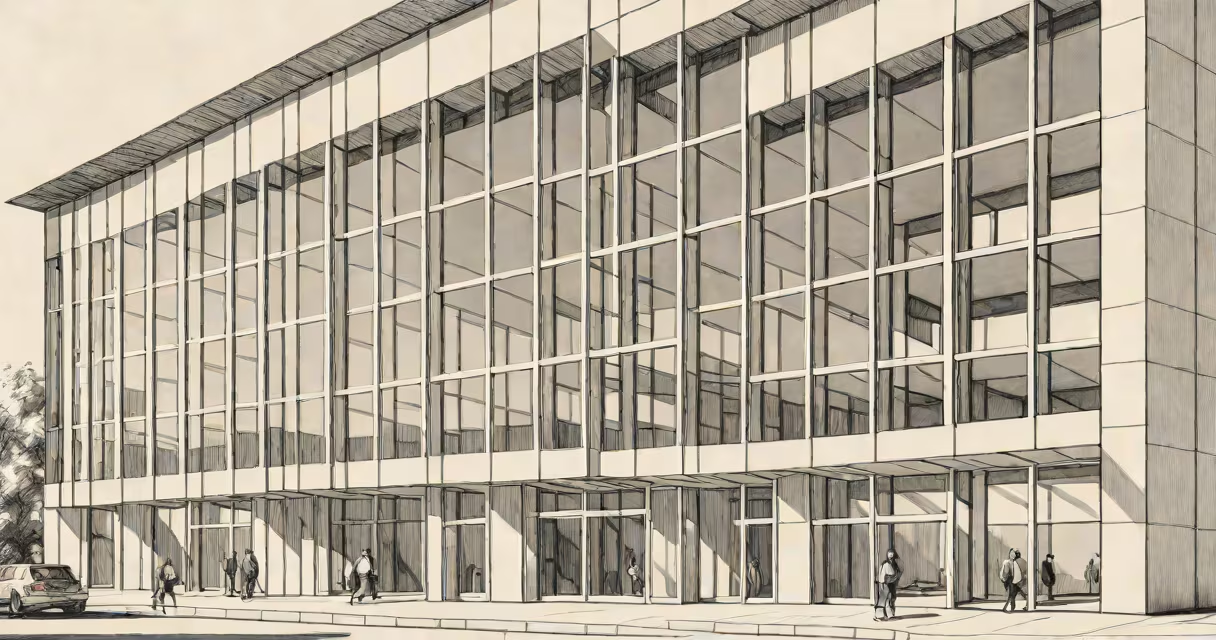
A contemporary art museum is a cultural institution dedicated to collecting, preserving, and exhibiting modern and current artworks, typically created within the last few decades. These museums focus on new and experimental pieces that reflect today's artistic trends.
Contemporary art museums operate similarly to traditional museums but with a stronger emphasis on current and evolving artistic practices. They often host rotating exhibitions, artist talks, and educational programs to engage the public with new ideas and techniques. Many museums also commission new works, providing artists with platforms to showcase their latest creations.
Contemporary art museums can be categorized based on their focus and size:
| Type | Description | Example |
|---|---|---|
| Complete Museums | Large institutions with extensive collections spanning various mediums and themes. | The Museum of Modern Art (MoMA), New York |
| Specialized Museums | Focus on specific themes, movements, or regions within contemporary art. | The Whitney Museum of American Art, New York |
| Artist-Run Spaces | Small, often nonprofit spaces managed by artists themselves, fostering grassroots creativity. | The New Museum, New York |
Contemporary art museums are found in major cities worldwide, often located in urban centers to attract diverse audiences. They serve multiple purposes: preserving cultural heritage, supporting artists, and providing educational resources. For instance, the Tate Modern in London draws millions of visitors annually, contributing to the city's tourism and cultural economy.
Many people confuse contemporary art museums with traditional art museums. While both display art, contemporary museums focus on recent works, often featuring unconventional materials and avant-garde styles. Unlike traditional museums, which emphasize historical significance, contemporary museums prioritize innovation and relevance to current societal issues.
Another misconception is that contemporary art museums only exhibit paintings and sculptures. In reality, they include many mediums such as digital art, installations, performances, and multimedia projects. For example, the San Francisco Museum of Modern Art (SFMOMA) features interactive digital exhibits alongside traditional art forms.
I once visited a contemporary art museum that had an entire floor dedicated to virtual reality experiences. This immersive approach is typical of how these institutions push boundaries and engage visitors in new ways.