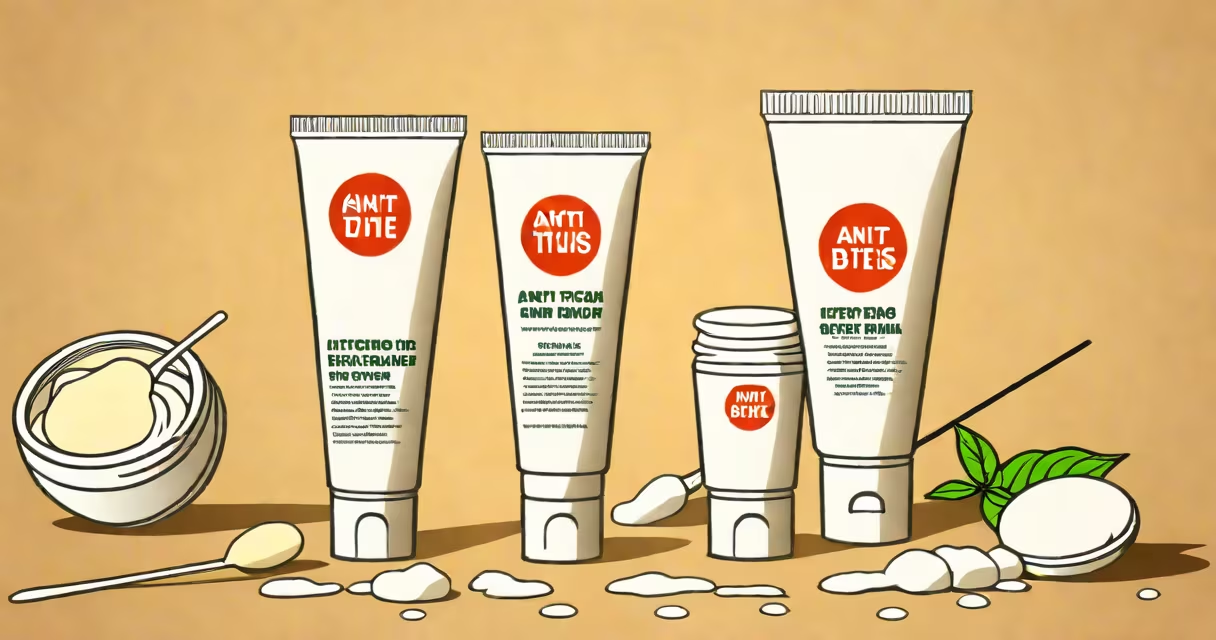
Cream for itching bug bites is a topical treatment containing active ingredients like hydrocortisone or calamine to relieve inflammation and itching caused by insect bites. These creams work by reducing histamine release and soothing irritated skin.
When insects like mosquitoes or fleas bite, they inject saliva that triggers an allergic reaction, causing itching and swelling. Anti-itch creams contain compounds that either numb the skin, reduce inflammation, or both. Hydrocortisone, for example, is a mild steroid that decreases swelling and itching by suppressing the immune response. Calamine, another common ingredient, forms a protective layer over the skin and has astringent properties that dry out the affected area.
| Type | Active Ingredient | Best For |
|---|---|---|
| Hydrocortisone Cream | 1% hydrocortisone | Severe itching and swelling |
| Calamine Lotion | Calamine and zinc oxide | Mild irritation and redness |
| Antihistamine Cream | Diphenhydramine | Allergic reactions |
| Natural Creams | Aloe vera, oatmeal, or witch hazel | Mild to moderate itching |
Many people believe that scratching a bug bite relieves itching, but this actually worsens the irritation and can lead to infection. Another myth is that ice alone can provide long-lasting relief. While ice numbs the area temporarily, it doesn't address the underlying inflammation. Using a combination of ice and anti-itch cream is more effective.
I once had a severe mosquito bite on my ankle that swelled. Applying hydrocortisone cream reduced the swelling within hours, proving how effective these treatments can be when used correctly.
Apply cream for itching bug bites as soon as you notice a bite to prevent excessive scratching. For mild bites, natural creams or calamine lotion may suffice. Severe reactions, especially those with intense swelling or pain, require stronger treatments like hydrocortisone cream. Always follow the instructions on the package for proper application.
If the bite shows signs of infection-such as increased redness, warmth, or pus-consult a healthcare professional. In some cases, oral antihistamines or antibiotics may be necessary.