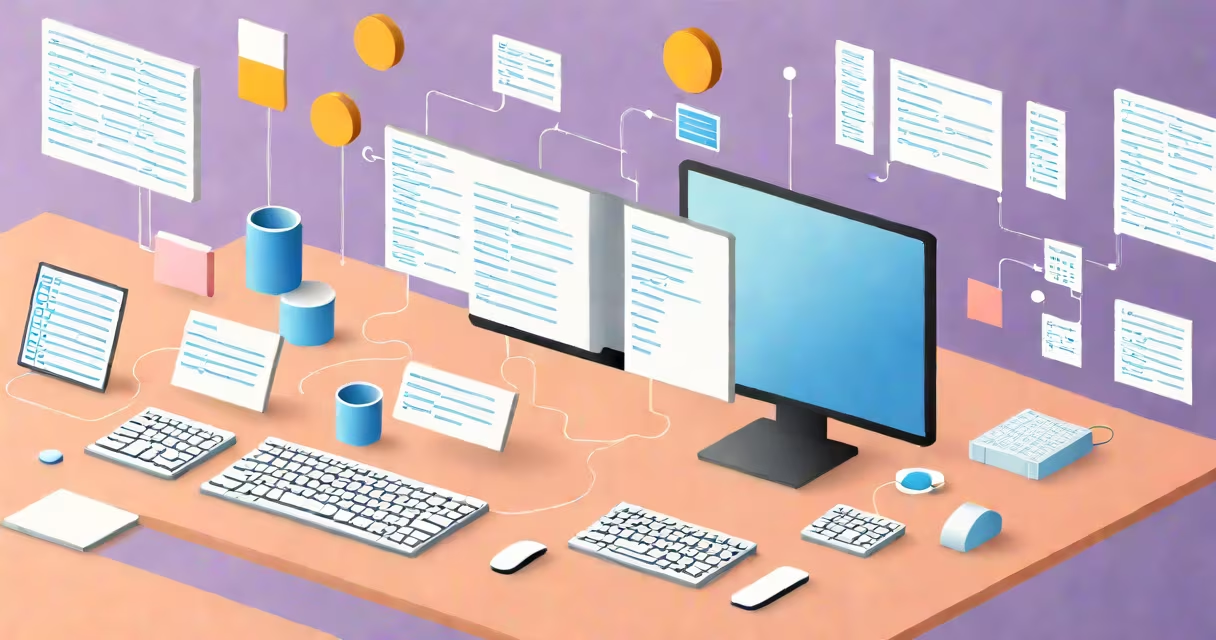
Database design programs are specialized software applications that help create, visualize, and manage database structures. These tools enable developers to design relational and non-relational databases efficiently.
These programs provide graphical interfaces to define tables, relationships, and constraints. They generate SQL scripts to implement the designs in actual database management systems. Many tools support reverse engineering, allowing users to import existing databases and modify their schemas visually.
Database design programs fall into several categories:
When evaluating database design programs, consider these essential features:
| Feature | Description |
|---|---|
| Visual Design Interface | Drag-and-drop interface for creating database schemas |
| SQL Generation | Automatic generation of SQL scripts from visual designs |
| Reverse Engineering | Import existing databases to modify their schemas visually |
| Collaboration Features | Team collaboration tools for shared database development |
| Version Control Integration | Integration with Git and other version control systems |
Many people confuse database design programs with database management systems (DBMS). While DBMS tools like MySQL or Oracle handle data storage and retrieval, database design programs focus specifically on creating and modifying database structures.
Another misconception is that these tools are only for experts. Many modern database design programs offer user-friendly interfaces suitable for beginners learning logical database design.
Some widely used database design programs include:
Selecting the appropriate database design program depends on your specific needs. For example, if you're working with relational databases, tools like MySQL Workbench or Toad Data Modeler are excellent choices. For NoSQL databases, consider specialized tools that support your specific database type.
When evaluating tools, consider factors such as ease of use, supported database types, collaboration features, and integration with other software in your development stack. Many programs offer free trials, allowing you to test their functionality before making a commitment.