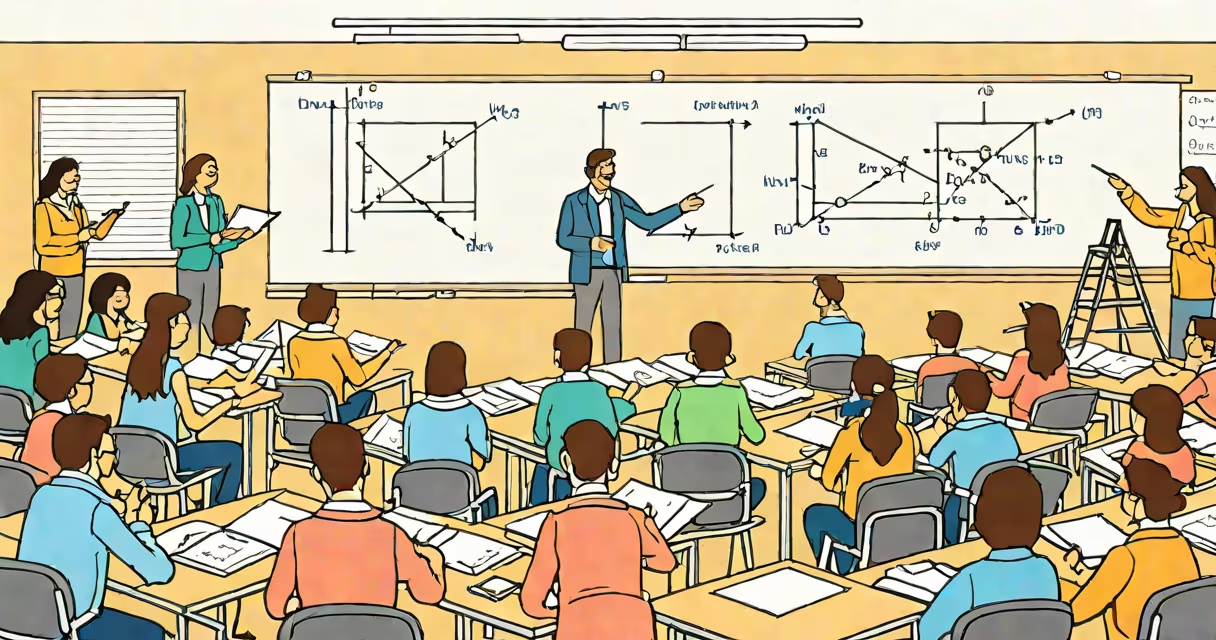
An effective teacher is someone who combines subject expertise, strong communication skills, and strategic lesson planning to create engaging learning environments that improve student outcomes. They adapt instruction to meet diverse needs, use data to inform teaching, and build positive relationships with students.
Effective teachers share several key abilities:
Effective teachers don't just deliver information - they help learning through:
For example, a math teacher might start with a real-world problem, have students work in groups to solve it, then present solutions while the teacher guides the class toward correct approaches.
| Type | Focus Area | Key Activities |
|---|---|---|
| Instructional Expertise | Lesson delivery | Differentiated instruction, varied assessment methods |
| Classroom Environment | td>Learning atmosphereClear expectations, student-centered space | |
| Professional Growth | Continuous improvement | Reflective practice, peer collaboration |
Another myth is that strict discipline equals effective teaching. Actually, the most effective teachers balance structure with warmth, creating environments where students feel both safe and challenged.
When I first started teaching, I focused too much on covering material rather than helping students learn it. After observing veteran teachers and getting student feedback, I shifted to more interactive lessons. My student engagement scores improved by 30% within one semester.
To develop effectiveness, teachers should: