Energy is the capacity to do work, measured in joules or calories. It exists in multiple forms, including kinetic, potential, thermal, electrical, chemical, and nuclear. These forms power everything from cellular processes to industrial machinery.
Energy transfers between objects or systems through work or heat. The law of conservation of energy states that energy cannot be created or destroyed, only transformed. For example, a car engine converts chemical energy from gasoline into mechanical energy to move the vehicle.
| Type | Description | Example |
|---|---|---|
| Kinetic | Energy of motion | A moving car |
| Potential | Stored energy due to position or state | A book on a shelf |
| Thermal | Heat energy | Steam from a boiling kettle |
| Electrical | Energy from electric charges | Lightning |
| Chemical | Energy stored in molecular bonds | Gasoline |
| Nuclear | Energy in the nucleus of atoms | Radioactive decay |
Energy sources are categorized as renewable or nonrenewable. Renewable sources replenish naturally, while nonrenewable sources deplete over time. According to the U.S. Energy Information Administration, about 11% of U.S. energy consumption came from renewable sources in 2021.
Many confuse energy sources with energy forms. For instance, solar energy is a source, while the resulting electricity is a form., not all renewable sources are clean. Biomass burning, for example, releases carbon dioxide.
Another misconception is that nonrenewable sources are always finite. While they deplete over time, new reserves are constantly forming, albeit over millions of years. However, the rate of formation is much slower than human consumption.
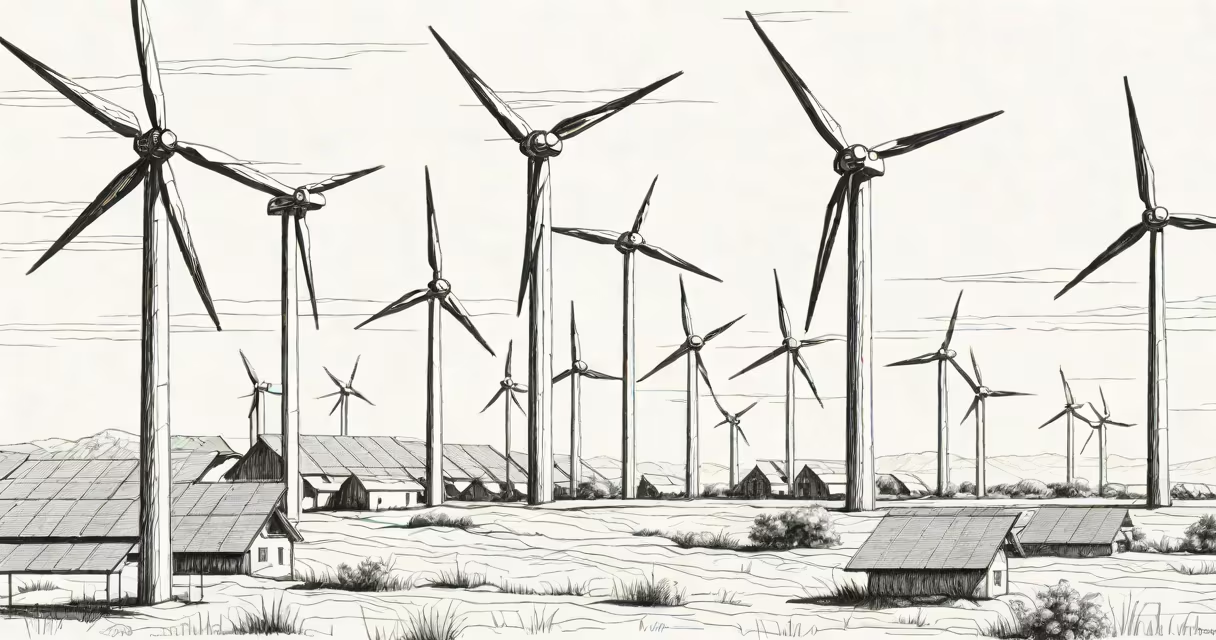
When I visited a solar farm, I saw firsthand how photovoltaic panels convert sunlight into electricity. The farm's output powered thousands of homes, demonstrating a practical application of renewable energy sources.
For instance, transitioning from fossil fuels to renewable sources reduces greenhouse gas emissions. This shift requires investment in infrastructure and research to improve energy storage and distribution systems. Governments and organizations worldwide are setting targets to increase the share of renewables in their energy mix.
Energy and its sources are fundamental to powering our world. By understanding the different types and sources of energy, we can make informed decisions about sustainable energy use. Transitioning to renewable sources is key to ensuring a stable and eco-friendly energy future.