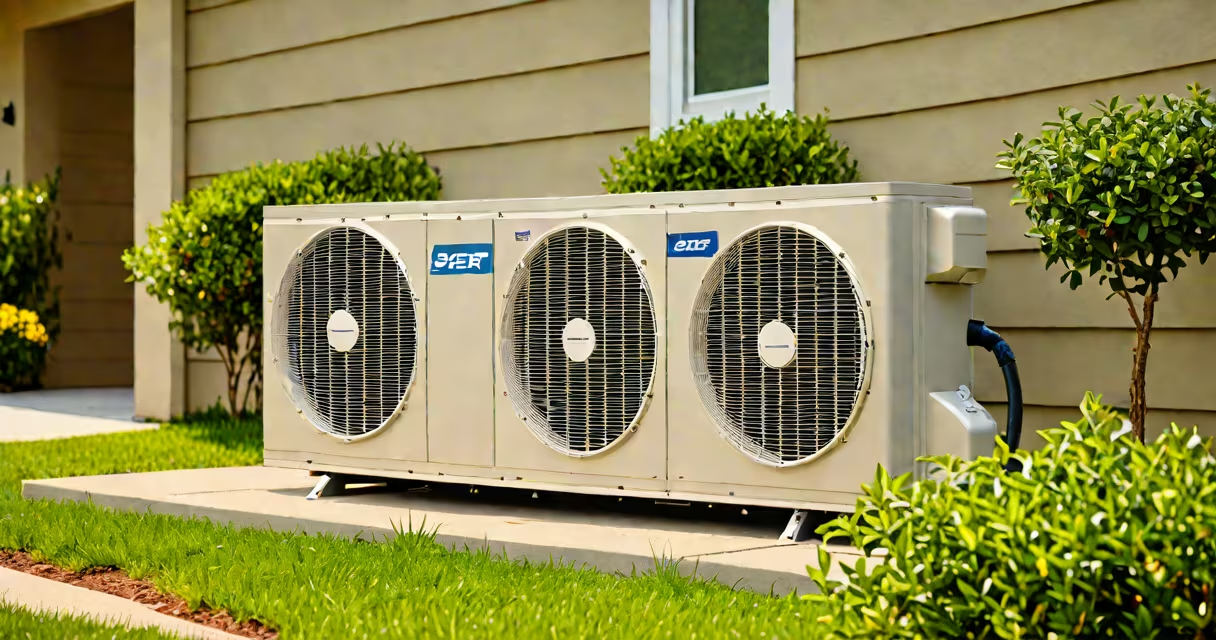
SEER HVAC stands for Seasonal Energy Efficiency Ratio, a measure of an air conditioner's or heat pump's cooling efficiency. It calculates the cooling output (in BTUs) divided by the energy consumed (in watt-hours) over a typical cooling season.
SEER ratings range +, with higher numbers indicating greater efficiency. A SEER 16 system, for example, uses 25% less energy than a SEER 13 unit for the same cooling output. The U.S. Department of Energy requires a minimum SEER 13 for new systems in most regions, rising to SEER 14 in the South.
| Rating | Efficiency | Typical Cost |
|---|---|---|
| SEER 13-14 | Low | $2,500-$4,000 |
| SEER 15-17 | Moderate | $3,000-$5,500 |
| SEER 18-26+ | High | $4,500-$10,000+ |
Many confuse SEER with EER (Energy Efficiency Ratio), which measures efficiency at peak conditions rather than seasonal performance. Unlike SEER, EER doesn't account for varying weather patterns or usage times.
Another mistake is assuming higher SEER always means better performance. While efficiency improves with higher SEER, the actual energy savings depend on climate, system sizing, and installation quality. For example, a SEER 20 system in a poorly insulated home may not perform better than a SEER 16 in the same conditions.
I recently helped a client in Phoenix upgrade from a SEER 10 system (installed in 1998) to a SEER 18 unit. Their electricity bills dropped by 40% during summer months, saving about $800 annually. The payback period for the $5,200 investment was just over 6 years.
According to the U.S. Environmental Protection Agency, replacing older air conditioners with SEER 14+ models can cut energy use by 30-50%. This reduces both utility bills and carbon emissions. For context, upgrading 1 million homes to high-efficiency systems would save as much energy as removing 300,000 cars from the road annually.
For those considering extreme upgrades, some manufacturers now offer SEER 26+ systems. These use advanced technologies like variable-speed compressors and microchannel coils, but they require specialized maintenance. As this guide explains, improper installation can void warranties and reduce efficiency gains.