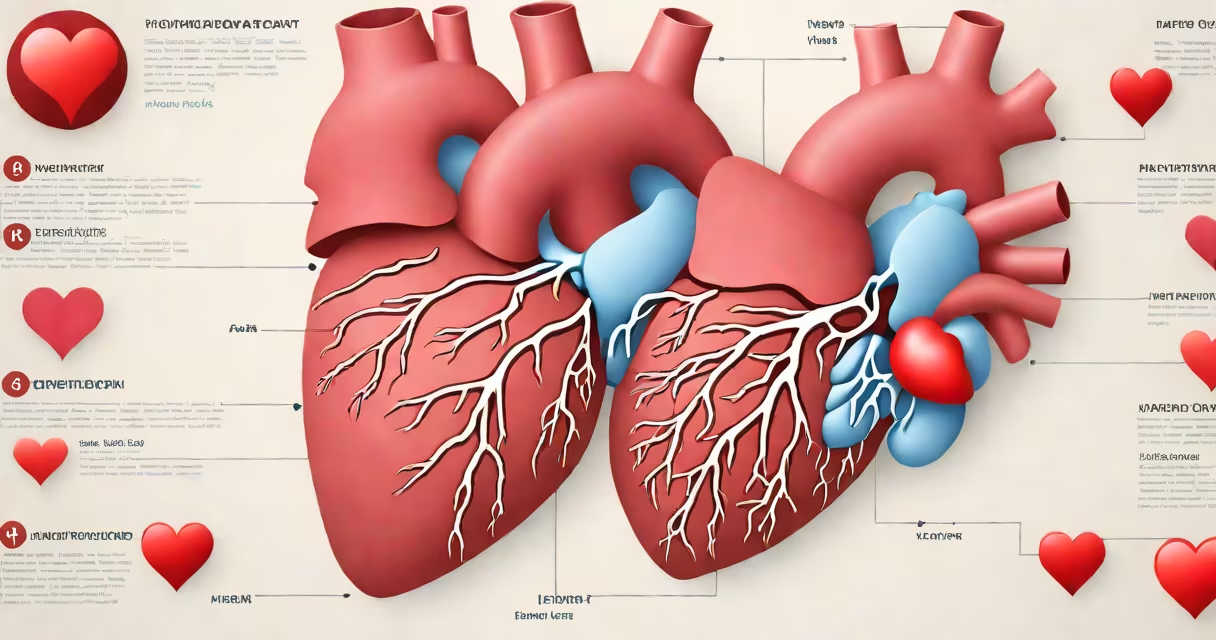
The heart is a muscular organ that pumps blood through the circulatory system, maintaining life by delivering oxygen and nutrients to tissues. Beyond biology, the term carries deep symbolic and cultural meanings.
The heart functions as a double pump: the right side receives deoxygenated blood from the body and sends it to the lungs, while the left side receives oxygen-rich blood from the lungs and pumps it throughout the body. This process repeats about 100,000 times daily.
The heart consists of four chambers: two atria (upper chambers) and two ventricles (lower chambers). Valves between these chambers ensure one-way blood flow. The heart's walls are composed of three layers: the epicardium (outer layer), myocardium (muscle layer), and endocardium (inner layer).
The heart's primary function is circulation, but its symbolic uses are vast. In medicine, heart health is critical for preventing cardiovascular diseases. Culturally, the heart represents love, courage, and emotion-seen in expressions like "heart of gold" or "wear your heart on your sleeve."
Many believe the heart is the seat of emotions, a concept rooted in ancient philosophy rather than science. While the heart does influence emotional responses via the autonomic nervous system, emotions primarily originate in the brain. Another myth is that the heart beats independently, but it relies on electrical signals from the sinoatrial node.
To maintain heart health, regular exercise, a balanced diet, and stress management are essential. The American Heart Association recommends at least 150 minutes of moderate exercise weekly. Avoiding smoking and excessive alcohol also reduces cardiovascular risks. For a deeper exploration of heart symbolism, see the definition of heart in the bible kjv.
Understanding the heart's biological and symbolic roles highlights its universal importance in both physical and metaphorical contexts.