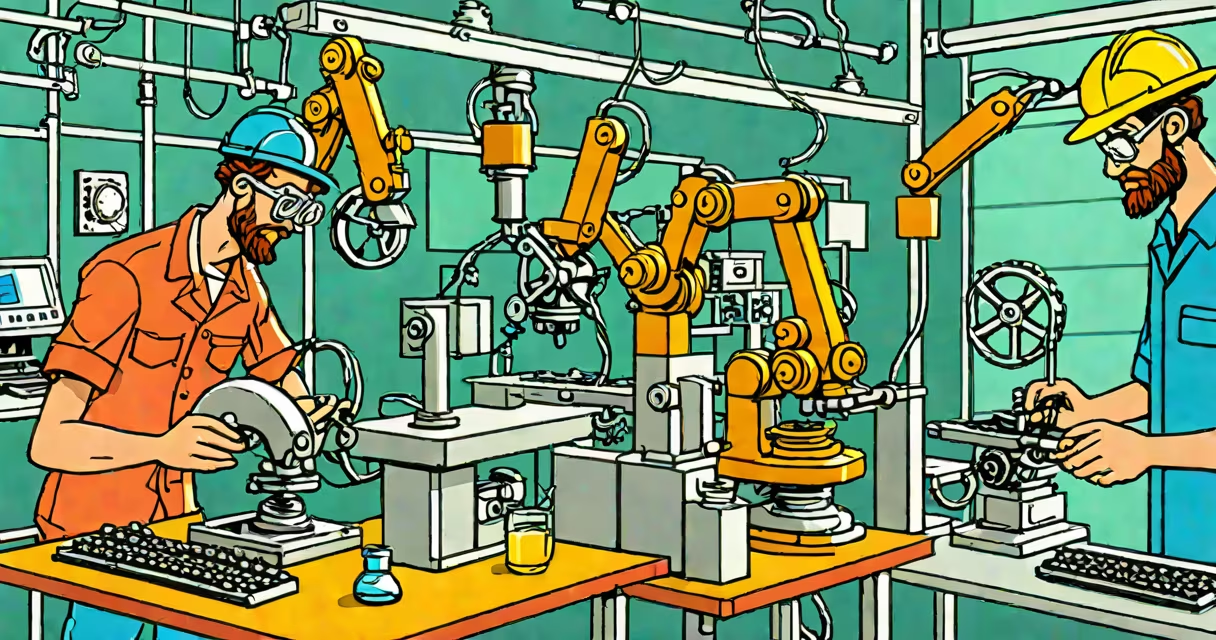
Mechanical engineering focuses on designing systems and products through scientific principles, while mechanical engineering technology emphasizes applying those designs through hands-on implementation. Both fields share core concepts but differ in education focus and career applications.
Mechanical engineering programs emphasize theoretical knowledge and problem-solving skills. Students take courses in thermodynamics, fluid mechanics, and materials science, often pursuing research projects. In contrast, mechanical engineering technology programs prioritize practical application, teaching students to operate and maintain mechanical systems. Their coursework includes manufacturing processes, technical drafting, and quality control.
| Aspect | Mechanical Engineering | Mechanical Engineering Technology |
|---|---|---|
| Curriculum Focus | Design, analysis, theory | Implementation, troubleshooting, maintenance |
| Typical Courses | Thermodynamics, fluid dynamics, control systems | Computer-aided manufacturing, technical drafting, quality assurance |
| Degree Level | Bachelor of Science (BS) | Bachelor of Science (BS) or Bachelor of Applied Science (BAS) |
Mechanical engineers work in design and development roles, creating everything from automotive systems to HVAC units. They often work in offices or labs, collaborating with other engineers. Mechanical engineering technologists typically work in manufacturing or production environments, ensuring machinery operates efficiently. They might work on assembly lines, in maintenance departments, or as field service technicians.
Consider the development of a new manufacturing robot. A mechanical engineer would design the robot's structure and movement systems, using principles of mechanics and materials science. A mechanical engineering technologist would then program and test the robot, ensuring it functions correctly in a production environment. Both roles are essential but serve different purposes in the process.