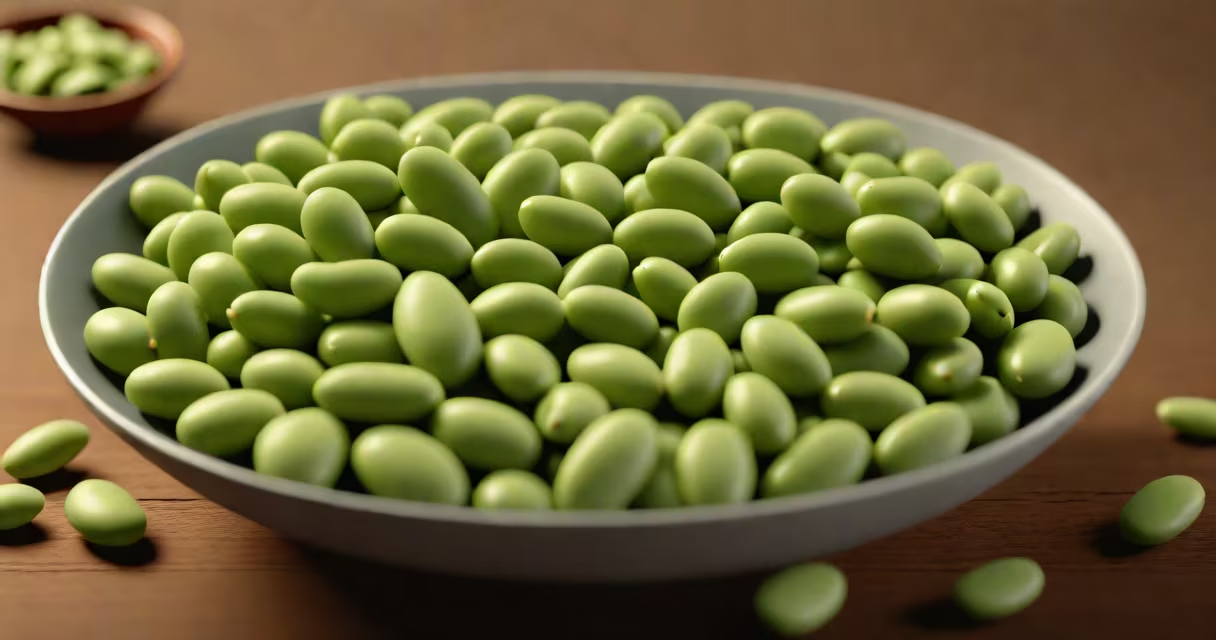
Lima beans produce gas because they contain high amounts of oligosaccharides, complex sugars that ferment in the gut. This fermentation process creates gas as a byproduct.
Lima beans, like other legumes, are rich in oligosaccharides such as raffinose and stachyose. These sugars resist digestion in the small intestine and pass into the large intestine, where gut bacteria break them down, producing gas as a result. According to the National Center for Biotechnology Information, this process is normal and occurs with many high-fiber foods.
To minimize gas production, soak lima beans for at least four hours before cooking, then discard the soaking water. This removes some of the oligosaccharides., gradually increasing your intake of lima beans allows your gut bacteria to adapt, reducing gas over time. Chewing thoroughly also helps break down more of the beans before they reach the gut.
When I first started eating lima beans regularly, I noticed increased bloating. After researching, I began soaking them overnight and gradually increasing my portion sizes. Within a few weeks, the gas decreased, confirming that adaptation plays a key role in reducing digestive discomfort.
If gas becomes severe or is accompanied by symptoms like diarrhea, constipation, or abdominal pain, consult a healthcare provider. These could indicate conditions such as irritable bowel syndrome (IBS) or lactose intolerance, which require medical attention.