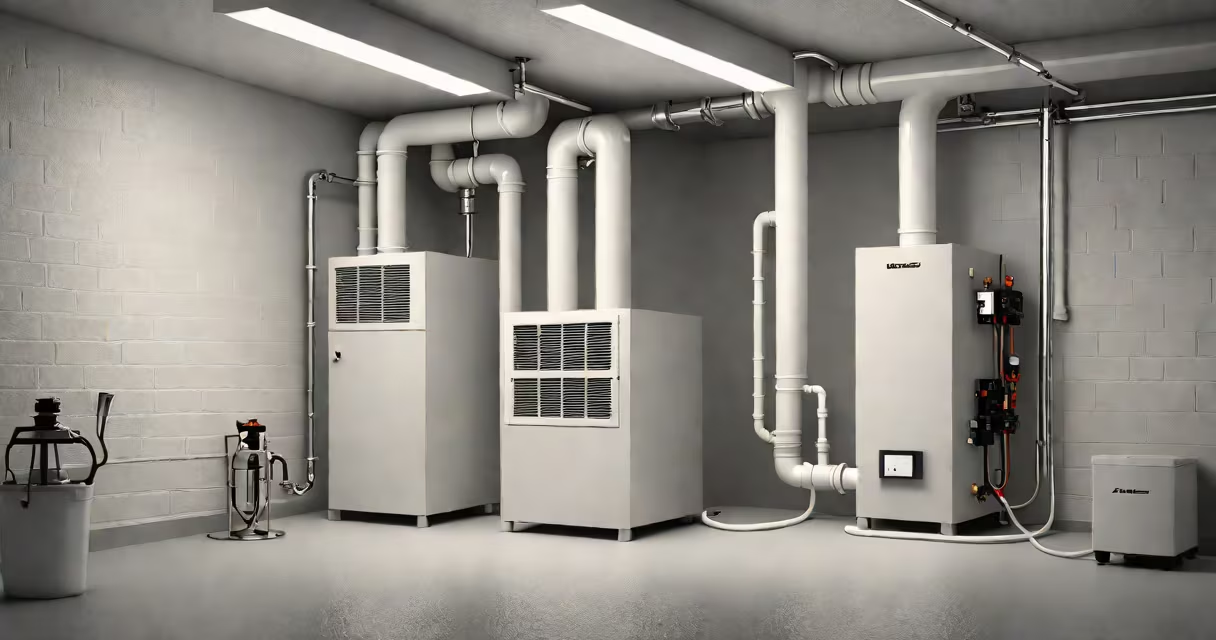
A do-it-yourself furnace is a heating system you build and install yourself using commercially available components, typically saving thousands compared to professional installation. These systems often use standard gas or electric furnaces purchased online or from suppliers, combined with ductwork and vents you assemble.
Most DIY furnaces fall into three categories:
Homeowners attempt DIY furnace projects primarily to save money, with professional installations averaging $3,500-$7,000. However, improper installation can lead to carbon monoxide poisoning, fire hazards, or inefficient heating. The U.S. Consumer Product Safety Commission reports that heating equipment causes over 50,000 fires annually.
I once helped a neighbor install a DIY gas furnace. We purchased a 96% efficiency model from a reputable supplier, ensuring it met local building codes. Proper venting was critical-we installed a direct-vent system through an exterior wall, avoiding the need for a chimney. The project took two weekends and passed inspection, but we spent nearly as much as professional labor would have cost.
Many confuse DIY furnaces with "homemade" furnaces built from scrap materials. While some hobbyists construct heating systems from barrels or scrap metal, these are unsafe and rarely meet building codes. Always use UL-listed components designed for residential heating.
For those feeling down on yourself about tackling such a project, remember that proper research and preparation are key. Start by consulting your local building department for permits and code requirements. The National Fire Protection Association's standards provide guidelines for safe furnace installation. Choose a location with adequate space and ventilation, typically near an exterior wall for venting.
If you're unsure how to describe yourself as capable of this project, assess your skills honestly. Basic plumbing, electrical work, and carpentry experience help, but complex tasks like gas line installation may require professional assistance. When in doubt, consult a licensed HVAC technician for critical steps.