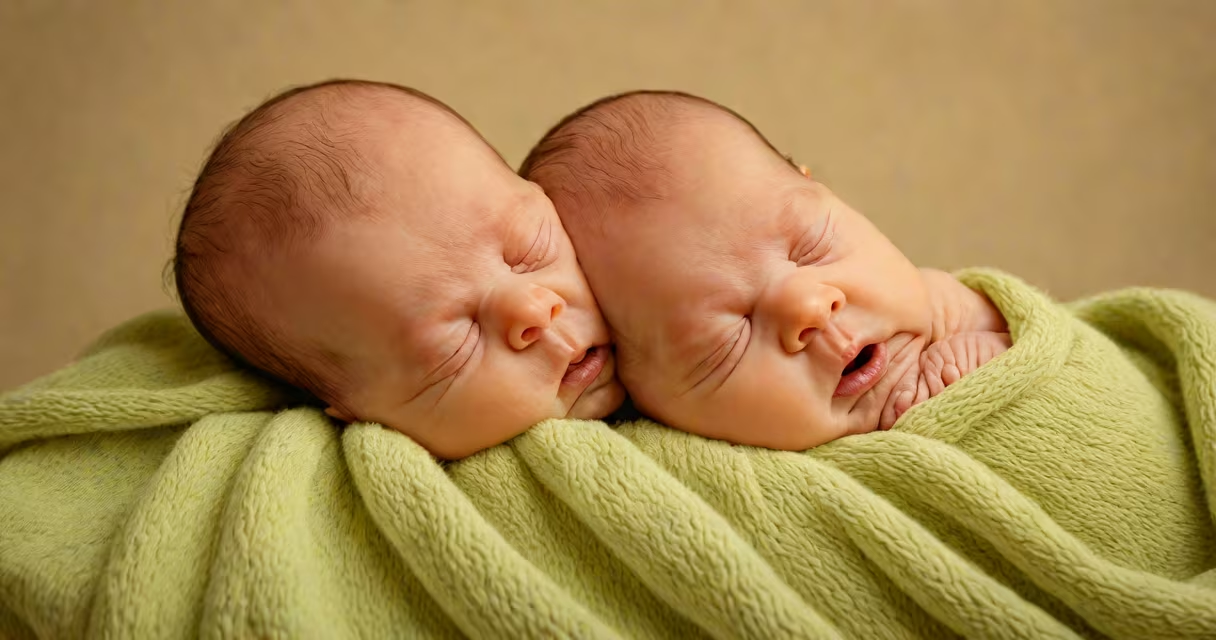
Yes, many newborns experience hair loss in the first few months after birth. This temporary shedding is normal and typically begins around 2-3 months old.
Newborn hair loss occurs due to hormonal changes after birth. During pregnancy, high levels of maternal hormones stimulate hair growth in the womb. After delivery, these hormone levels drop dramatically, causing the baby's hair follicles to enter a resting phase before shedding.
This process is similar to adult hair loss patterns like telogen effluvium, though it's completely normal in infants. The medical term for this shedding phase is "exogenous effluvium."
The most common type is diffuse thinning across the scalp, particularly noticeable on the back or sides of the head. Some babies develop bald spots from friction against cribs or car seats. Less commonly, newborns may have congenital alopecia, where hair never grows in certain areas.
| Type | Appearance | Timing |
|---|---|---|
| Diffuse thinning | General hair loss across scalp | 2-3 months |
| Friction alopecia | Localized bald spots | Continuous |
| Congenital alopecia | Permanent bald patches | Present at birth |
Hair loss often appears on the occipital region (back of the head) from lying down. This is where friction occurs most during sleep. The shedding happens because the hair follicles created in utero were programmed for limited growth cycles.
Many parents notice this pattern when their baby develops a "soft spot" or fontanelle, which can make hair loss more visible. The American Academy of Pediatrics confirms this is normal development.
Another myth suggests shaving a baby's head promotes thicker hair. This is false - the fine vellus hair that replaces lost hair will grow naturally regardless of intervention.
Most babies regrow their hair between 6-12 months. The new hair often differs in color and texture from the original. I noticed this with my nephew - his dark, fine baby hair was replaced by thick blonde curls by his first birthday.
Persistent hair loss beyond 12 months or patchy areas that don't regrow may warrant consultation with a pediatrician to rule out conditions like alopecia areata.