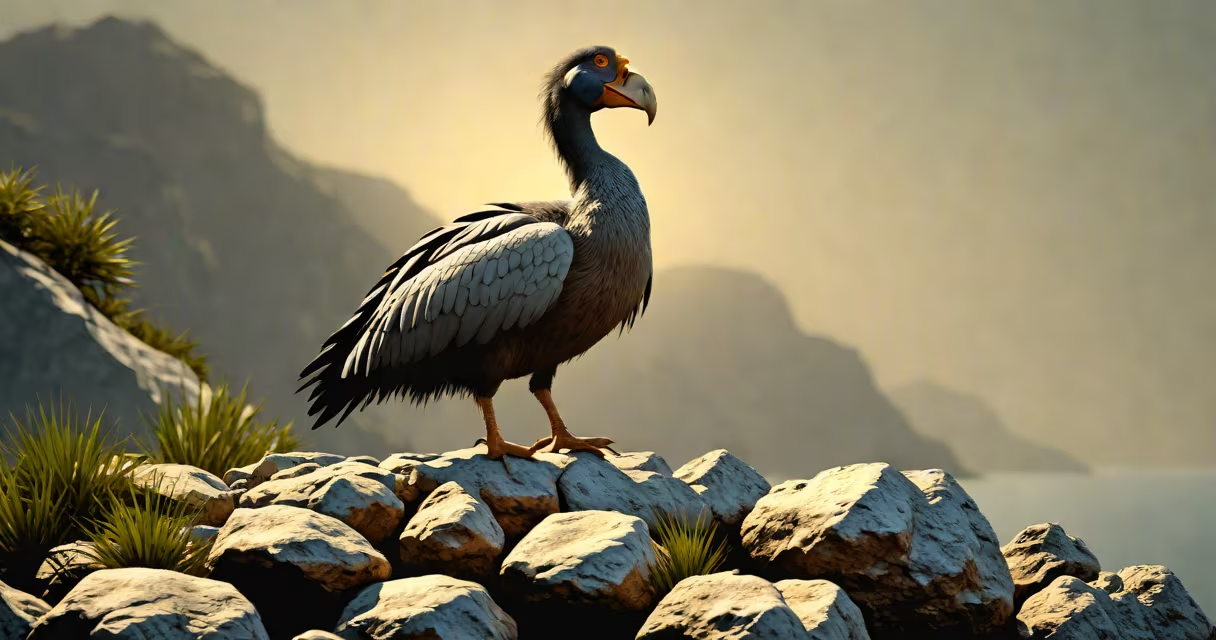
The dodo bird became extinct around 1690, with the last sightings recorded on Mauritius. This flightless bird disappeared due to a combination of factors including habitat destruction, hunting, and introduced species.
The dodo bird's extinction was rapid once humans arrived on Mauritius. The birds had no natural predators and were defenseless against human hunters and invasive species like rats and monkeys. Within a century of human contact, the dodo was gone.
The primary causes of the dodo's extinction include:
| Year | Event |
|---|---|
| 1507 | First recorded human arrival on Mauritius |
| 1598 | First written account of the dodo by Dutch explorers |
| 1638 | Dutch settlers begin clearing forests for sugar plantations |
| 1662 | Last live dodo sighting |
| 1690 | Final confirmed report of a dodo carcass |
Many people believe the dodo was stupid or clumsy, but this is a myth. The dodo's inability to fly was due to its island lifestyle, where it had no natural predators until humans arrived. The bird likely had a complex social structure and was well-adapted to its environment before human interference.
Another misconception is that the dodo went extinct immediately after human contact. In reality, it took nearly a century for the species to disappear, as the cumulative effects of habitat loss, hunting, and invasive species gradually reduced their numbers.
The dodo's extinction serves as a stark reminder of the impact humans can have on ecosystems. The bird's disappearance highlights the importance of conservation efforts and the need to protect endangered species from similar fates. Today, scientists study the dodo to understand the consequences of human activity on island ecosystems and to develop strategies for preserving biodiversity.
Understanding the dodo bird extinction date and the factors that led to its demise is important for ensuring that other species do not meet the same fate. By learning from the past, we can work towards a future where human activity and nature coexist harmoniously.