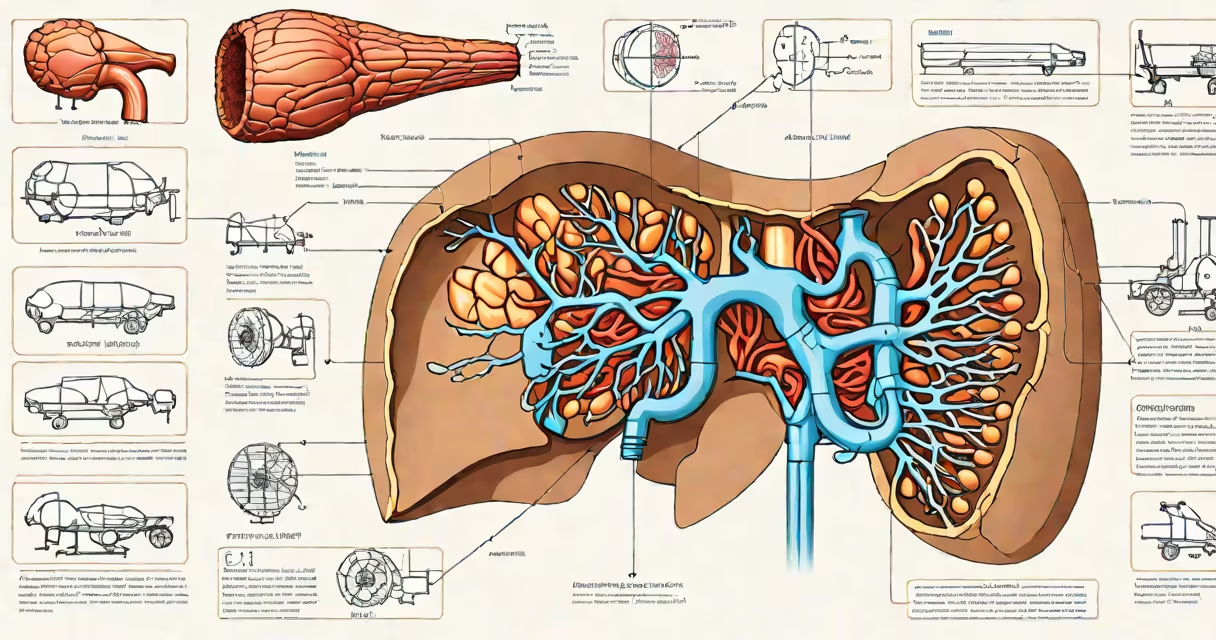
Yes, advanced liver failure often causes bloating due to fluid accumulation in the abdomen, a condition called ascites. This occurs when the liver can't produce enough proteins to regulate fluid balance, allowing fluid to leak into the abdominal cavity.
The liver is important for managing fluids throughout the body. When liver function declines, it produces less albumin, a protein that helps maintain blood pressure in blood vessels. With lower albumin levels, fluid leaks into surrounding tissues, including the abdominal cavity, causing noticeable swelling.
This process typically begins when liver scarring (cirrhosis) reaches an advanced stage. The damaged liver also struggles to remove toxins from the blood, which can further contribute to fluid retention and bloating.
| Type | Description | Common Causes |
|---|---|---|
| Ascites | Fluid accumulation in the abdomen | Advanced cirrhosis, liver cancer |
| Peripheral edema | Swelling in legs and ankles | Liver disease, heart failure |
| Portal hypertension | Increased blood pressure in portal vein | Cirrhosis, liver tumors |
While liver failure can cause bloating, other factors often contribute or create similar symptoms. According to the National Institute of Diabetes and Digestive and Kidney Diseases, common causes include:
Unlike liver-related bloating, these causes typically result in temporary discomfort rather than persistent swelling. However, chronic bloating should always be evaluated by a healthcare professional.
Consult a doctor if bloating occurs with any of these symptoms:
A healthcare provider can determine whether liver issues or other conditions are contributing to bloating through physical examinations and diagnostic tests.
For liver-related bloating, treatment focuses on addressing the underlying liver disease. This may include:
Lifestyle changes such as regular exercise, maintaining a healthy weight, and limiting alcohol consumption can also support liver health and reduce bloating.
I noticed significant abdominal swelling in a patient during my clinical rotation, which led to a diagnosis of cirrhosis. This underscored the importance of recognizing liver-related symptoms early.
Learn about acute liver failure causes Read about common bloating causes Understand if beetroot can cause bloating