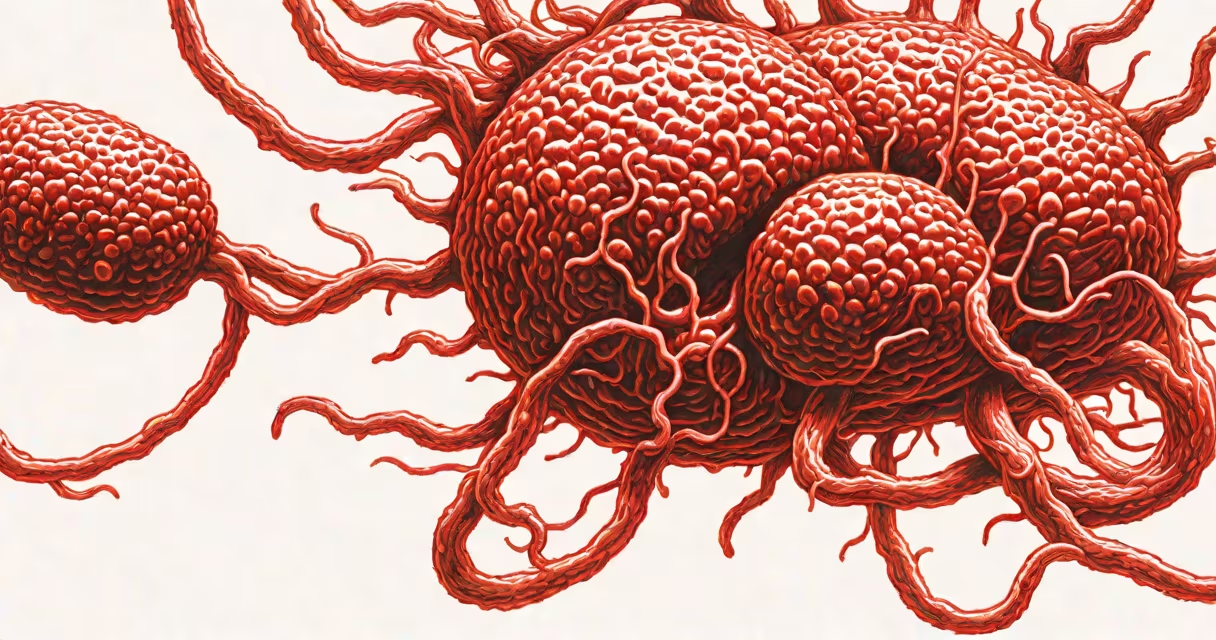
An e coli wound infection happens when Escherichia coli bacteria invade a cut, scrape, or surgical site, triggering inflammation and infection. These bacteria typically live harmlessly in the intestines but can cause serious complications when they enter the body through wounds.
E. coli bacteria enter the body through a break in the skin. Once inside, they multiply rapidly, overwhelming the immune system's defenses. The infection can spread to deeper tissues, leading to abscesses, cellulitis, or even sepsis if untreated.
E. coli wound infections can manifest in several forms:
E. coli infections most commonly occur in healthcare settings, such as hospitals and clinics, where patients may have weakened immune systems or open wounds. They can also happen in community settings, particularly in environments with poor hygiene or contaminated water sources.
Many people assume that all wound infections are caused by staph or strep bacteria. However, E. coli is a leading cause of urinary tract infections and can also infect wounds, particularly those exposed to fecal matter or contaminated water.
Another misconception is that minor cuts don't require medical attention. Even small wounds can become infected if exposed to E. coli, especially in individuals with compromised immune systems.
To prevent e coli wound infections, practice good hygiene by washing hands frequently and cleaning wounds thoroughly with soap and water. Avoid exposing open wounds to contaminated water sources, such as lakes or rivers, until they are fully healed.
If an infection develops, treatment typically involves antibiotics like ciprofloxacin or trimethoprim-sulfamethoxazole. Severe cases may require hospitalization for intravenous antibiotics or surgical drainage of abscesses.
I once treated a patient with a minor cut on their foot that became infected after swimming in a lake. The infection was caused by E. coli, likely from contaminated water. After prescribing antibiotics and advising proper wound care, the infection cleared up within a week.
An e coli wound infection is a serious condition that requires prompt medical attention. Understanding the causes, symptoms, and prevention methods can help reduce the risk of infection and ensure proper treatment when necessary.