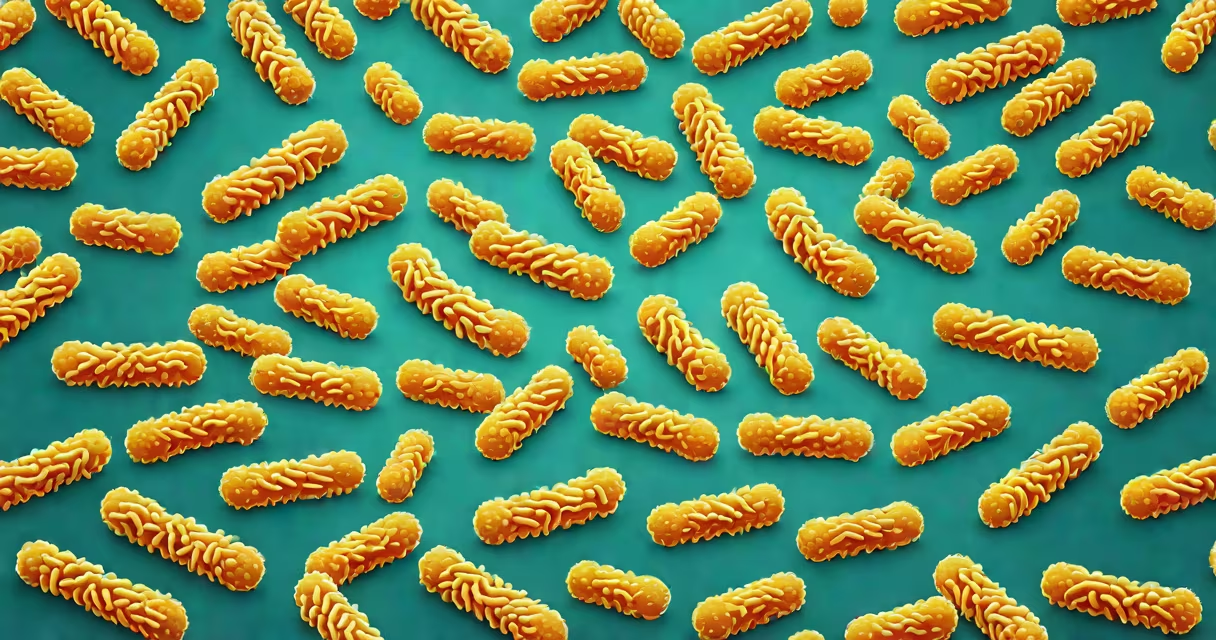
E coli while pregnant is a serious infection caused by the Escherichia coli bacteria, which can lead to severe complications like dehydration, kidney failure, or preterm labor if untreated. Pregnant women are more vulnerable due to hormonal changes and weakened immune systems.
E coli bacteria typically enter the body through contaminated food or water. Pregnant women face higher risks because their immune systems are naturally suppressed to protect the developing fetus. This makes them more susceptible to foodborne illnesses like E coli.
The bacteria can also enter the urinary tract, causing urinary tract infections (UTIs), which are common during pregnancy due to hormonal changes and physical pressure on the bladder.
| Type | Symptoms | Common Sources |
|---|---|---|
| Enterotoxigenic E coli (ETEC) | Watery diarrhea, abdominal cramps | Contaminated water, undercooked meat |
| Shiga toxin-producing E coli (STEC) | Severe stomach cramps, bloody diarrhea | Unpasteurized milk, raw vegetables |
| Urinary tract infection (UTI) | Burning sensation, frequent urination | Bacteria entering the urethra |
E coli infections can cause severe dehydration, which may lead to preterm labor or reduced amniotic fluid. In rare cases, the infection can spread to the bloodstream, causing sepsis, a life-threatening condition.
A study published in the journal Clinical Infectious Diseases found that pregnant women with E coli infections were more likely to experience complications like preterm birth and low birth weight.
Pregnant women should avoid unpasteurized dairy products, undercooked meat, and raw sprouts. Washing hands thoroughly before eating and after using the restroom can also reduce the risk of infection.
Drinking plenty of fluids and practicing good hygiene can help prevent UTIs. If symptoms of a UTI appear, such as burning during urination or frequent urination, seek medical attention immediately.
Contact a healthcare provider immediately if experiencing symptoms like severe stomach pain, bloody diarrhea, or signs of dehydration (dark urine, dizziness, or dry mouth). Early treatment can prevent complications and protect both mother and baby.