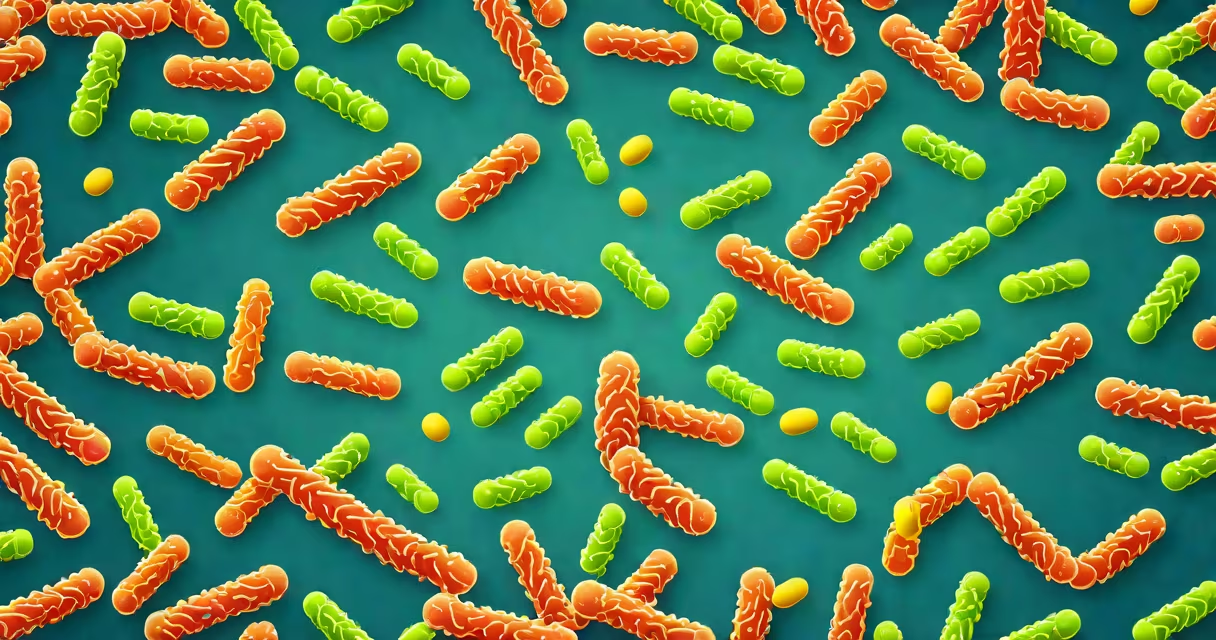
E coli and c diff are two types of harmful bacteria that can cause serious infections in humans. E. coli (Escherichia coli) often leads to food poisoning, while C. diff (Clostridioides difficile) primarily causes severe diarrhea and intestinal issues, especially after antibiotic use.
E. coli is commonly found in the intestines of humans and animals. While most strains are harmless, some like ETEC (Enterotoxigenic E. coli) and STEC (Shiga toxin-producing E. coli) can cause severe illness. These bacteria produce toxins that damage the lining of the intestines, leading to symptoms like diarrhea, stomach cramps, and vomiting.
C. diff, however, thrives in environments with low levels of competing bacteria, such as after antibiotic treatment. It produces toxins that attack the lining of the intestine, causing inflammation and severe diarrhea. This makes C. diff infections particularly dangerous for people who have recently taken antibiotics.
The most common types of E. coli that cause illness include:
C. diff is less diverse, with the most concerning strain being:
E. coli is often used in research labs to study genetics and molecular biology due to its well-understood genetic makeup. However, it can contaminate food and water, leading to outbreaks. C. diff is primarily a hospital-acquired infection, affecting patients who have recently received antibiotics.
For example, in 2018, an outbreak of E. coli in romaine lettuce sickened 210 people across 36 states, highlighting the risk of contaminated food. Similarly, C. diff infections are a significant concern in healthcare settings, where antibiotics are frequently prescribed.
One common misconception is that all E. coli strains are harmful. In reality, many strains are harmless and even beneficial, aiding in digestion. Another myth is that C. diff only affects elderly patients. While older adults are at higher risk, anyone who has taken antibiotics can develop a C. diff infection.
To reduce the risk of E. coli infections, practice safe food handling, cook meat thoroughly, and avoid cross-contamination. For C. diff, healthcare providers should prescribe antibiotics judiciously and use infection control measures in hospitals.
I once worked in a lab studying E. coli strains. Handling these bacteria required strict safety protocols, including wearing gloves and working under a biosafety cabinet. This experience highlighted the importance of proper hygiene and safety measures in both lab and real-world settings.