Eating after vomiting bile requires waiting until your stomach settles, then starting with small amounts of bland foods. Bile is a digestive fluid produced by the liver, stored in the gallbladder, and released into the small intestine to aid digestion. When you vomit bile, it typically indicates your stomach is empty, and the bile has backed up into the stomach from the duodenum.
When you vomit bile, your stomach is often empty, and the bile has traveled back up from the small intestine. This can happen due to various reasons, such as food poisoning, gastroenteritis, or excessive alcohol consumption. The presence of bile in vomit is usually green or yellowish in color.
The most common causes of vomiting bile include:
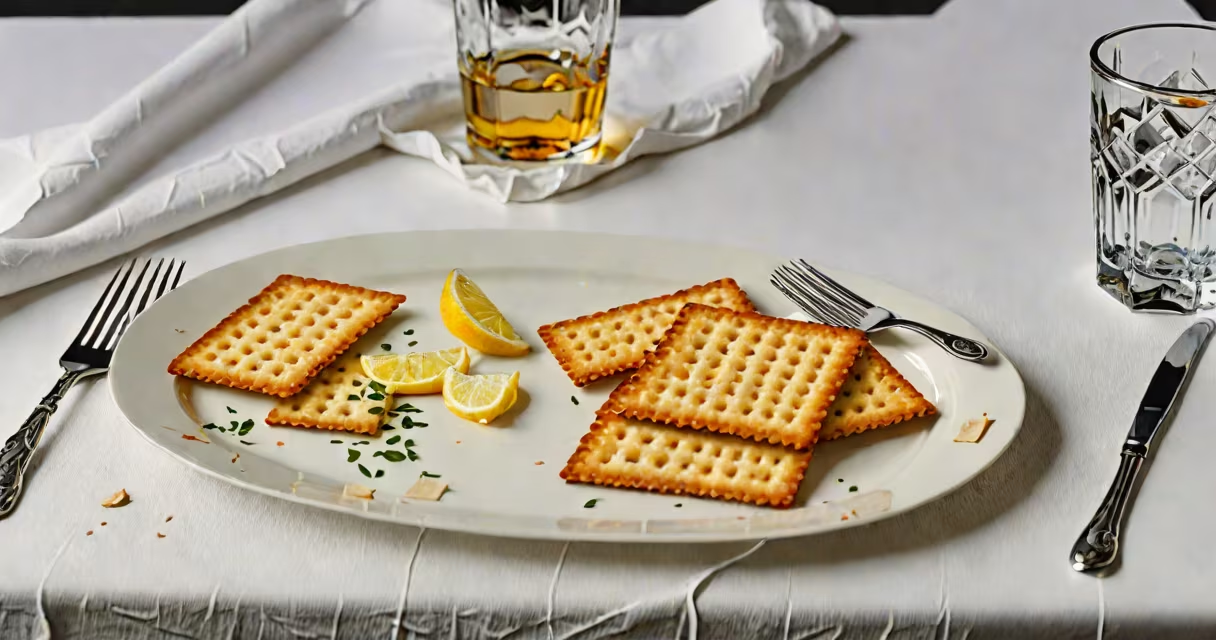
After vomiting bile, it's important to wait until your stomach has settled. Start with small sips of water or clear liquids, gradually introducing bland foods like toast, crackers, or bananas. Avoid fatty, spicy, or acidic foods, as they can further irritate your stomach.
According to the Mayo Clinic, it's essential to reintroduce foods slowly and monitor your body's response. If symptoms persist or worsen, seek medical attention.
Many people believe that eating immediately after vomiting will help settle the stomach. However, this can often make the situation worse. Eating too soon can irritate the stomach lining and prolong nausea and vomiting.
Another misconception is that drinking fruit juices or sugary drinks will help replenish lost nutrients. These beverages can actually worsen nausea and vomiting due to their high sugar content and acidity.
I once experienced vomiting bile after a night of excessive drinking. I waited several hours before attempting to eat, starting with a few sips of water and a plain cracker. Gradually, I introduced more bland foods and avoided any spicy or greasy items. This cautious approach helped my stomach settle more quickly.
If vomiting bile is accompanied by severe abdominal pain, fever, or blood in the vomit, seek immediate medical attention. These symptoms could indicate a more serious condition, such as a bowel obstruction or internal bleeding.
If you frequently experience vomiting after eating, consider consulting a healthcare professional to rule out underlying conditions like gastroparesis or peptic ulcers.