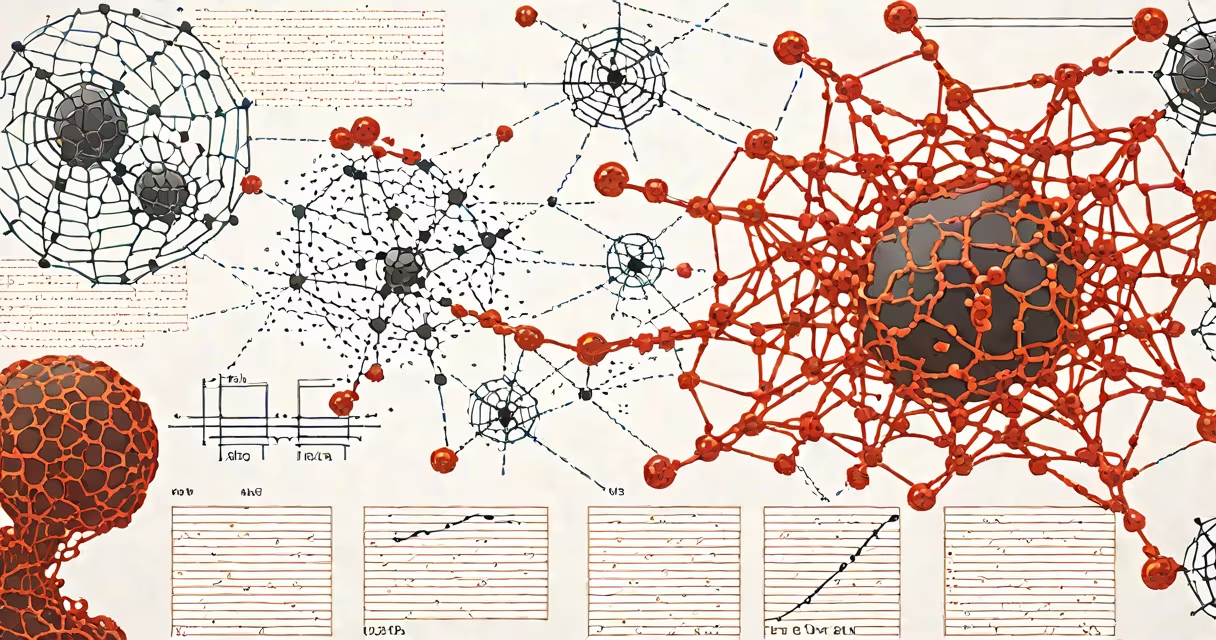
The ebola virus is a deadly pathogen that causes viral hemorrhagic fever in humans, with fatality rates ranging from 25% to 90%. It spreads through direct contact with infected bodily fluids.
The ebola virus attacks multiple organ systems in the body, including the liver, kidneys, and lymphatic system. It replicates rapidly, overwhelming the immune system and leading to severe internal bleeding and organ failure. The virus's incubation period ranges days, during which time infected individuals may not exhibit symptoms.
There are five identified species of the ebola virus, four of which can cause disease in humans:
| Species | Fatality Rate | First Identified |
|---|---|---|
| Zaire ebolavirus | 67%-90% | 1976, Democratic Republic of Congo |
| Sudan ebolavirus | 41%-53% | 1976, Sudan |
| Taï Forest ebolavirus | Unknown | 1994, Côte d'Ivoire |
| Bundibugyo ebolavirus | 39%-50% | 2007, Uganda |
| Reston ebolavirus | Nonpathogenic in humans | 1989, Philippines |
Zaire ebolavirus is the most dangerous and responsible for the largest outbreaks, including the 2014-2016 epidemic in West Africa.
The ebola virus is not "used" intentionally, but it emerges in areas with certain risk factors. These include:
Outbreaks typically occur in remote villages in Central and West Africa, near tropical rainforests. The virus can spread quickly in areas with limited medical resources and high population density.
Another misconception is that ebola spreads through the air like the flu. In reality, it spreads through direct contact with infected bodily fluids, such as blood, vomit, or semen. However, recent research suggests that it may be possible for the virus to become aerosolized in certain medical procedures, such as intubation.
The largest ebola outbreak occurred in West Africa between 2014 and 2016, infecting over 28,000 people and killing more than 11,000. The outbreak began in a remote village in Guinea and spread to Sierra Leone, Liberia, and other countries. The high fatality rate and rapid spread were due to several factors, including lack of preparedness, delayed response, and inadequate healthcare infrastructure.
Preventing ebola outbreaks involves a combination of strategies, including:
Vaccines have been developed to protect against the ebola virus, including rVSVΔG-ZEBOV, which was used during the 2018-2020 outbreak in the Democratic Republic of Congo. However, access to vaccines and treatments remains limited in many affected regions.
Understanding how the ebola virus spreads and how to prevent its transmission is important for controlling outbreaks and saving lives. By implementing effective prevention and control measures, we can reduce the impact of this deadly pathogen on global health.