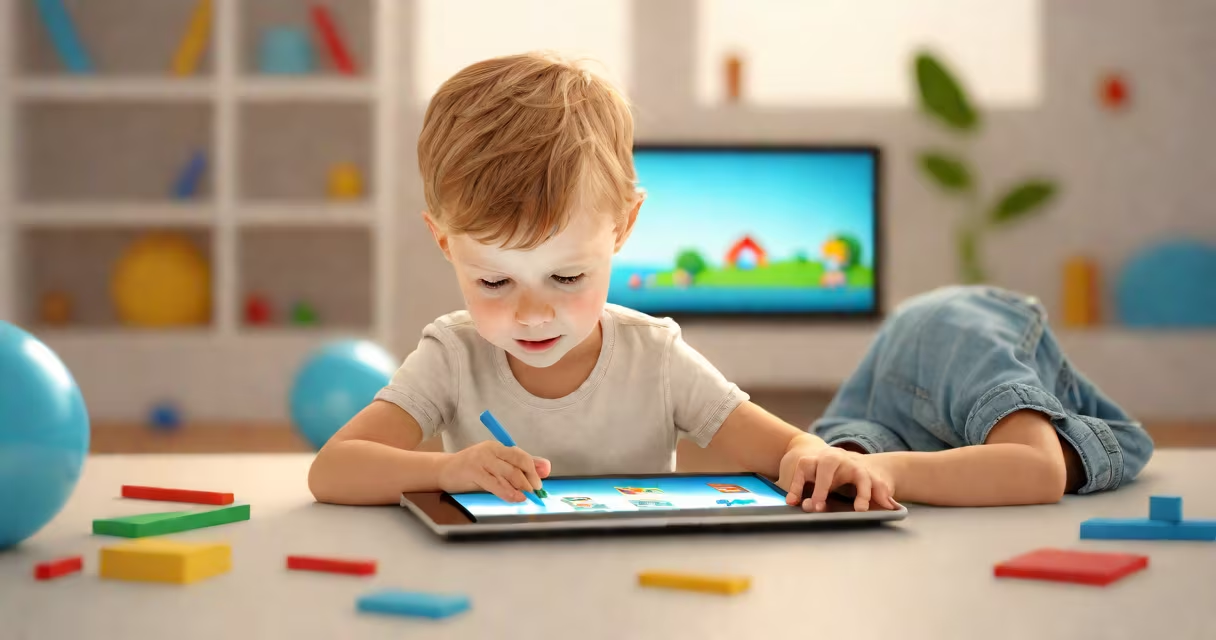
Educational websites for preschoolers are online platforms designed to engage young children in learning through interactive games, videos, and printable activities. These sites focus on early literacy, numeracy, science, and social skills using colorful, simple interfaces tailored to short attention spans.
Most preschool learning sites use a combination of multimedia elements to teach basic concepts. For example, a math game might feature animated animals counting apples, while a phonics activity could involve clicking on letters to hear their sounds. Many sites also include offline resources like worksheets or craft ideas to reinforce online lessons.
| Type | Example | Key Features |
|---|---|---|
| Game-Based Learning | Starfall | Interactive games focusing on letters, numbers, and problem-solving |
| Video Content | Sesame Street Workshop | Short educational clips featuring beloved characters |
| Printable Activities | Education.com | Downloadable worksheets and coloring pages |
Parents and teachers use these sites to supplement classroom learning or provide structured screen time at home. Research from the Journal of Educational Psychology shows that well-designed digital tools can improve early literacy skills when used appropriately. Many sites align with common core standards, making them useful for reinforcing school curriculum.
Some people assume all kids' websites are purely entertainment. However, quality educational sites differ by offering measurable learning outcomes. For instance, PBS Kids creates content based on educational research and collaborates with educators to ensure age-appropriate challenges. Another misconception is that screen time is always harmful, but the American Academy of Pediatrics notes that interactive, educational media can have benefits when used mindfully.
When I tested several sites with my nephew, I noticed he retained information better from platforms that combined visuals with audio cues, like ABCmouse, which uses rewards systems to motivate progress through lessons. The site's structured curriculum helped him recognize letter sounds and shapes more quickly than passive TV watching.
Begin by identifying your child's interests and learning goals. Look for sites with clear educational objectives, minimal ads, and parental controls. Many platforms offer free trials or limited free content, allowing you to evaluate their effectiveness before committing to paid subscriptions.