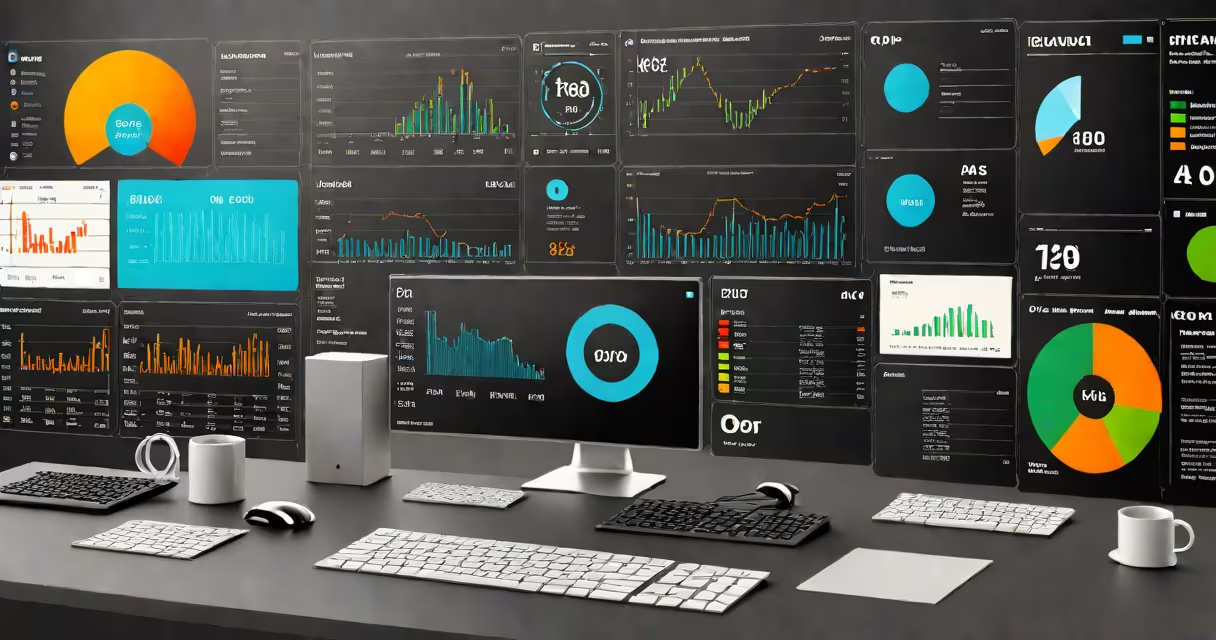
Enterprise Resource Planning (ERP) systems are software platforms that integrate business processes like finance, HR, and supply chain management into one unified system. Common examples include SAP S/4HANA, Oracle NetSuite, and Microsoft Dynamics 365.
ERP systems consolidate data from various departments into a centralized database. This allows for real-time data sharing and process automation. For instance, when a sale is recorded, the inventory levels update automatically, and the accounting module reflects the revenue.
ERP systems come in different forms to suit various business needs:
| Type | Description | Best For |
|---|---|---|
| Cloud-based ERP | Hosted on remote servers, accessible via the internet | Small to medium businesses |
| On-premise ERP | Installed locally on company servers | Large enterprises with strict data control needs |
| Hybrid ERP | Combination of cloud and on-premise solutions | Businesses needing flexibility and control |
ERP systems simplify operations, reduce manual data entry, and provide actionable insights through analytics. For example, a manufacturing company might use an ERP system to track raw material inventory, production schedules, and finished goods distribution.
According to a study by Panorama Consulting Solutions, businesses that implement ERP systems see an average return on investment of 24%. However, the success rate varies based on proper implementation and user adoption.
Many people confuse ERP systems with Customer Relationship Management (CRM) systems. While both manage business processes, ERPs focus on internal operations, whereas CRMs handle customer interactions. For more on what are examples of crm systems, explore dedicated CRM platforms.
Another misconception is that ERP systems are only for large enterprises. In reality, many scalable ERP solutions cater to small and medium-sized businesses. For instance, NetSuite offers tailored solutions for startups and growing companies.
I once helped a small retail business implement an ERP system to manage their inventory and sales. Before the ERP, they relied on spreadsheets and manual counts, leading to frequent stockouts and overstock situations. After deploying the ERP, they reduced inventory errors by 40% and improved order fulfillment times by 30%. The system's real-time reporting feature was particularly valuable for making data-driven decisions.
When selecting an ERP system, consider factors like scalability, industry-specific features, and integration capabilities. For example, SAP S/4HANA is popular among large manufacturers due to its advanced analytics and supply chain management features. However, Oracle NetSuite is favored by e-commerce businesses for its cloud-based flexibility and ease of use.
To understand the core functionality of ERP systems, refer to this guide.