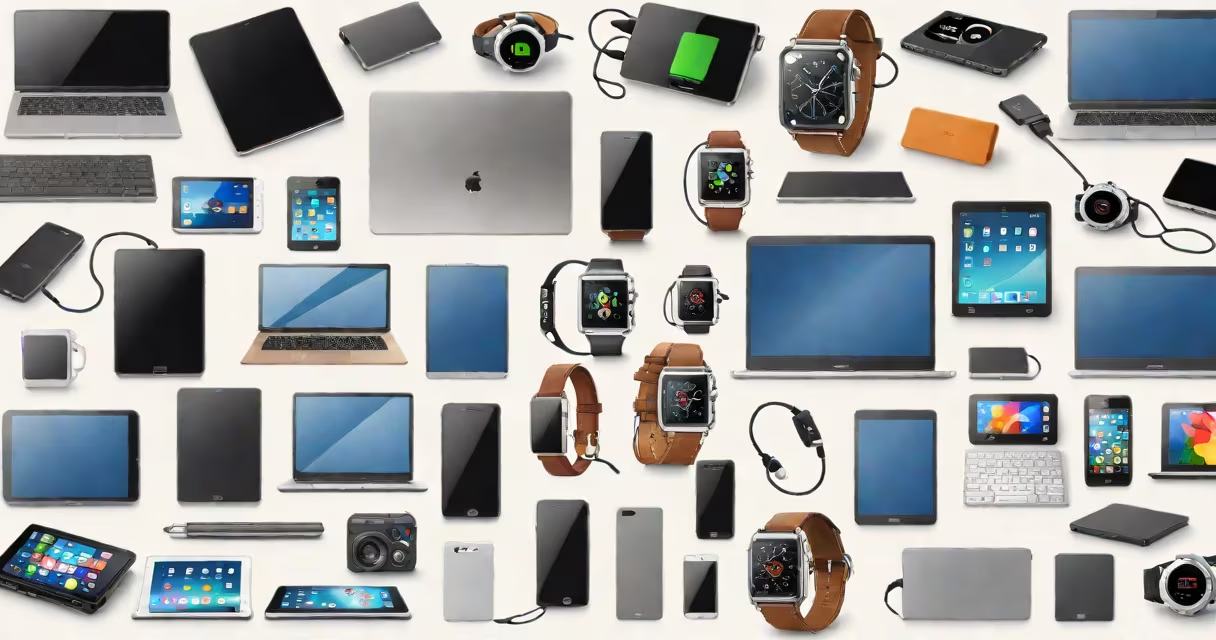
Digital devices are electronic tools that process, store, or transmit digital information. These include smartphones, laptops, smart home appliances, and wearables.
These devices convert analog signals into digital data using processors and sensors. They rely on software to perform tasks like communication, computation, and automation. For instance, a smartphone uses a touchscreen sensor to convert physical touches into digital commands.
| Category | Examples | Common Uses |
|---|---|---|
| Computing Devices | Laptops, desktops, tablets | Work, education, entertainment |
| Communication Devices | Smartphones, smart speakers | Calling, messaging, voice assistance |
| Wearable Technology | Smartwatches, fitness trackers | Health monitoring, notifications |
| Smart Home Appliances | Smart thermostats, security cameras | Home automation, security |
Digital devices are used in homes, offices, schools, and healthcare settings. They improve productivity, convenience, and connectivity. For example, smart thermostats adjust temperatures automatically, saving energy.
A common misconception is that all digital devices are complex. Many, like digital clocks or calculators, have simple functions. However, even basic devices use microprocessors to handle digital data.
A smartphone combines multiple functions into one device. It includes a camera, GPS, and internet access. For instance, the iPhone uses an A-series chip to process tasks efficiently, balancing performance and battery life.
I tested a budget smartphone last year. Despite its lower price, it handled multitasking well, proving that advanced features aren't limited to high-end models.
Digital devices process information in binary code (0s and 1s), while analog devices use continuous signals. For example, a digital watch displays time in numbers, whereas an analog watch uses clock hands.
According to the Pew Research Center, 85% of Americans own a smartphone, highlighting their widespread adoption.
Examples of digital devices range home systems. These tools improve daily life through automation and connectivity. Understanding their functions helps users choose the right devices for their needs.