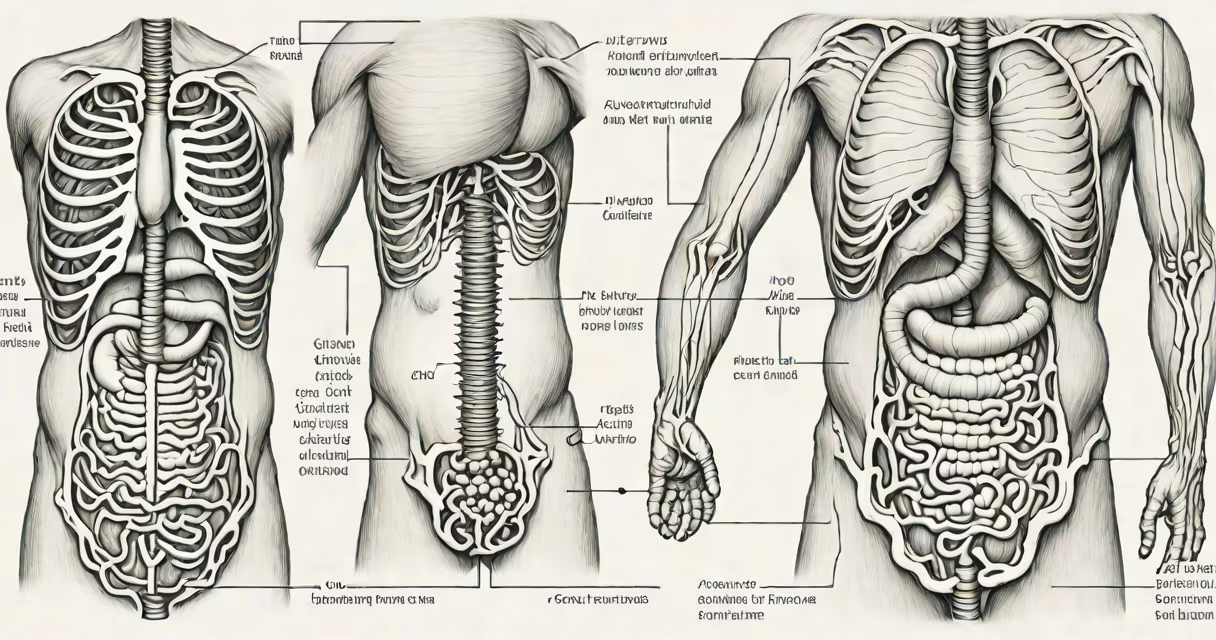
Excess intestinal gas treatment involves strategies to relieve bloating, discomfort, and flatulence caused by trapped gas in the digestive tract. These methods address both immediate symptoms and underlying causes.
Gas in the intestines forms when bacteria in the gut ferment undigested food. This process produces hydrogen, carbon dioxide, and methane. Swallowed air (aerophagia) also contributes to gas buildup. Common triggers include high-fiber foods, carbonated drinks, and artificial sweeteners.
Treatments fall into three categories: lifestyle changes, dietary adjustments, and medical interventions. Lifestyle changes focus on reducing swallowed air, such as eating slowly and avoiding chewing gum. Dietary adjustments involve identifying and eliminating problematic foods through an elimination diet. Medical interventions may include over-the-counter medications like simethicone or prescription treatments for underlying conditions.
Many people assume that all gas is caused by diet. However, swallowed air accounts for about 20% of intestinal gas. Another myth is that excessive gas always indicates a serious health issue. While chronic bloating warrants medical attention, occasional gas is normal. According to the National Institute of Diabetes and Digestive and Kidney Diseases, most people produce 1 to 4 pints of gas daily.
To identify food triggers, start by removing common culprits like beans, cabbage, and dairy for two weeks. Gradually reintroduce one food at a time while monitoring symptoms. Keep a food diary to track reactions. If symptoms persist, consult a healthcare provider for further evaluation.
I tried this method with a patient who experienced chronic bloating. By eliminating carbonated beverages and artificial sweeteners, their symptoms improved within a week. This approach helped them pinpoint specific triggers and adjust their diet accordingly.