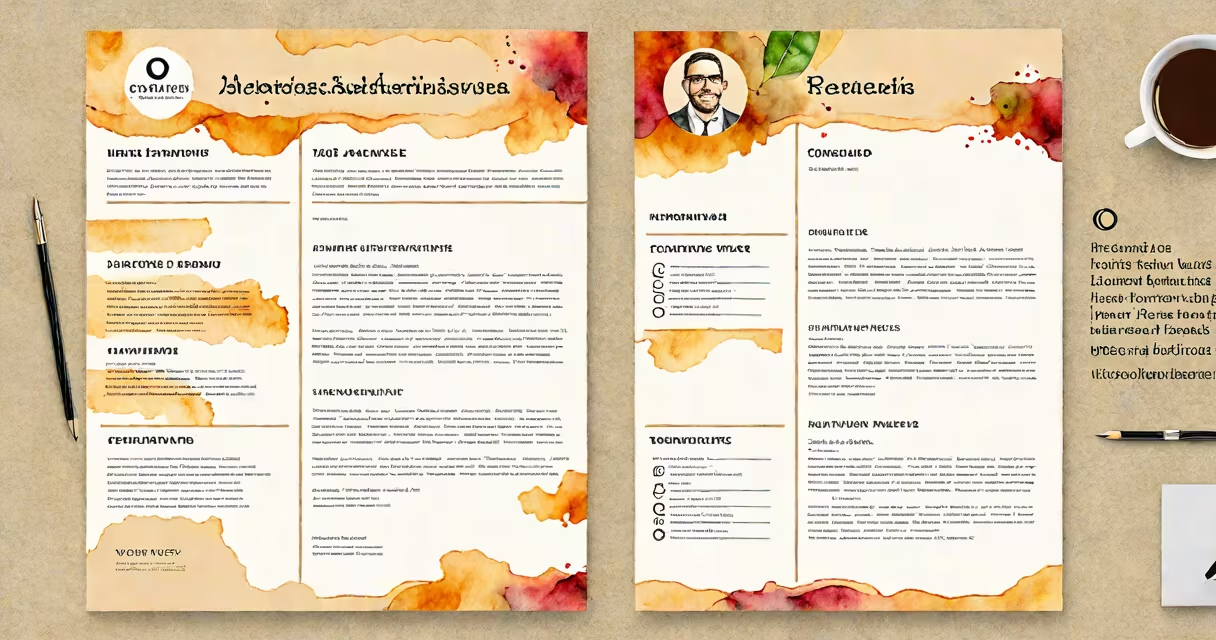
An excellent curriculum vitae (CV) is a detailed, multi-page document that comprehensively outlines your academic background, work history, skills, and achievements. Unlike a resume, which is typically one page, a CV provides an in-depth look at your qualifications.
A CV serves as a complete record of your professional and academic history. It is commonly used in academic, medical, and research settings, where detailed information about your education, publications, and projects is essential. Employers in these fields often require CVs because they provide a thorough overview of a candidate's expertise.
When creating a CV, focus on highlighting your most relevant experiences and accomplishments. Tailor your CV to the specific job or program you are applying for, emphasizing the skills and experiences that align with the position's requirements. Use clear headings and bullet points to organize information, making it easy for reviewers to scan and understand your qualifications.
There are several types of CVs, each suited to different career stages and industries:
| Type | Description | Best For |
|---|---|---|
| Chronological CV | Lists work experience in reverse chronological order, starting with the most recent job. | Experienced professionals with a steady work history. |
| Functional CV | Organizes information by skills and abilities rather than chronological work history. | Career changers or those with gaps in employment. |
| Combination CV | Blends elements of both chronological and functional CVs, highlighting skills and work experience. | Professionals with diverse skills and extensive experience. |
| Academic CV | Focuses on education, research, publications, and teaching experience. | Academics, researchers, and educators. |
CVs are primarily used in academic, medical, and research fields. Universities and research institutions often require detailed CVs to assess candidates' qualifications for faculty positions, grants, or research roles. Medical professionals, such as doctors and scientists, also use CVs to apply for positions in hospitals, clinics, and research labs.
In contrast, resumes are more common in business and industry settings, where a concise overview of skills and experience is sufficient. A CV provides a more complete picture of a candidate's background, making it ideal for roles that require extensive expertise and detailed qualifications.
One common misconception is that a CV and a resume are the same. While both documents serve to show your qualifications, a CV is more detailed and longer than a resume. Another misconception is that a CV should be one page long. In reality, a CV can be several pages, especially for individuals with extensive experience or numerous publications.
Some people believe that a CV should include personal information, such as age, marital status, or a photo. However, in the United States, it is generally advised to omit such details to avoid potential bias during the hiring process.
To create an excellent CV, start by listing your contact information at the top, including your name, phone number, email address, and LinkedIn profile. Next, include a professional summary that highlights your key qualifications and career goals. Follow this with sections for education, work experience, skills, certifications, and any other relevant information.
Use clear and concise language, and avoid jargon or overly complex terms. Quantify your achievements wherever possible, using numbers and percentages to demonstrate the impact of your work. For example, instead of saying "Managed a team," write "Managed a team of 10 employees, increasing productivity by 20%."
Proofread your CV carefully to ensure there are no spelling or grammatical errors. Ask a trusted friend or mentor to review it as well. A well-written, error-free CV reflects positively on your attention to detail and professionalism.
A well-crafted CV can improve your chances of securing a job, grant, or academic position. It serves as a marketing tool, allowing you to present your qualifications in the best possible light. By tailoring your CV to the specific role or program you are applying for, you can demonstrate your fit for the position and stand out from other candidates.
A CV is often the first impression you make on potential employers or admissions committees. A polished, professional document can leave a positive impact and increase your likelihood of being invited for an interview or further consideration.
Understanding what a curriculum vitae is used for can help you create a document that effectively communicates your skills and experiences. Whether you are applying for an academic position, a research grant, or a medical role, a well-structured CV is essential for presenting your qualifications and compellingly.