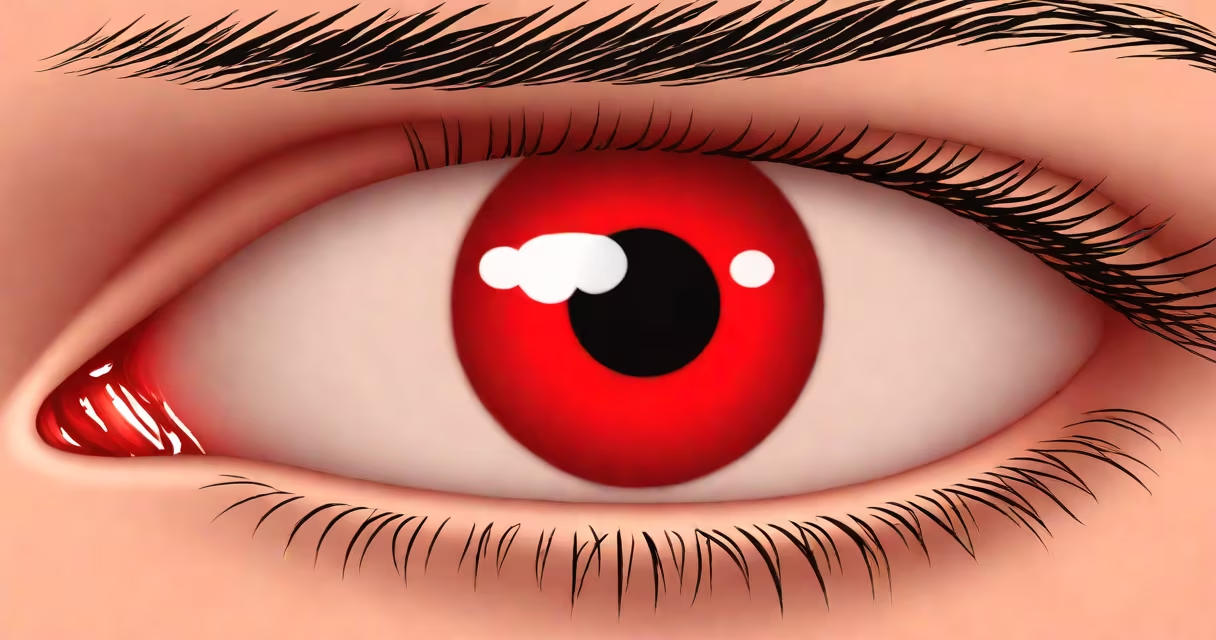
Eyes bloodshot and sore occur when tiny blood vessels in the eye's sclera (white part) dilate due to irritation, fatigue, or infection. These symptoms often accompany dryness, itching, or sensitivity to light.
The sclera contains a network of blood vessels that widen when irritated, causing redness. Soreness typically results from inflammation or dryness. Common triggers include allergies, lack of sleep, or prolonged screen use.
| Type | Common Causes |
|---|---|
| Allergic Conjunctivitis | Pollen, pet dander, or dust mites |
| Dry Eye Syndrome | Insufficient tear production or poor-quality tears |
| Infections | Bacterial or viral conjunctivitis, pink eye |
| Environmental Irritants | Smoke, chemicals, or harsh winds |
| Fatigue or Overuse | Staring at screens, driving long distances |
While minor cases resolve with rest or over-the-counter remedies, persistent symptoms may indicate a serious condition. Seek medical attention if:
According to the American Academy of Ophthalmology, untreated infections can lead to complications like corneal ulcers or vision loss.
Many people assume eyes bloodshot and sore are always harmless. However, chronic redness or discomfort can signal underlying issues like glaucoma or autoimmune diseases. A study published in the Journal of Ocular Pharmacology and Therapeutics found that 30% of patients with persistent eye redness had undiagnosed conditions.
For mild cases, artificial tears or cold compresses can relieve symptoms. Antihistamines help with allergies, while antibiotic eye drops treat bacterial infections. I once experienced severe eye soreness after a long flight. Using preservative-free lubricating drops and resting in a dark room resolved the issue within 24 hours.