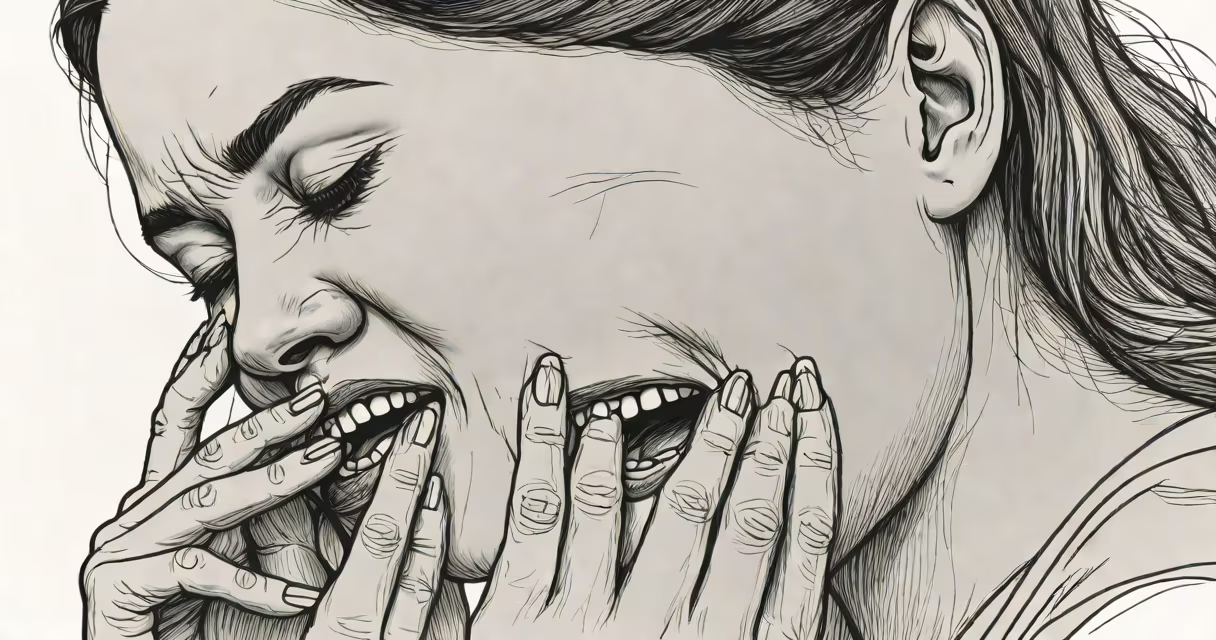
Extreme tooth pain during pregnancy is severe discomfort in a tooth or gums that doesn't go away, often requiring professional treatment. Pregnancy hormones increase risk of dental problems, making prompt care essential.
During pregnancy, hormonal changes increase blood flow to gum tissue and alter how your body responds to bacteria. This creates ideal conditions for plaque buildup and gingivitis, which can lead to tooth pain. According to the American Academy of Periodontology, about 60-75% of pregnant women develop pregnancy gingivitis.
Tooth pain during pregnancy typically stems from:
Contact a dentist immediately if you experience:
| Symptom | Risk Level |
|---|---|
| Throbbing pain lasting more than two days | High |
| Swelling in face or jaw | High |
| Fever or chills | Critical |
| Difficulty swallowing or breathing | Critical |
An untreated abscess can spread infection to other parts of the body, potentially harming fetal development. The American Pregnancy Association recommends addressing dental issues promptly to prevent complications.
Dental treatments considered safe during pregnancy include:
First-trimester dental work is safest, though urgent procedures can be performed in later stages. Always inform your dentist about your pregnancy before treatment begins.
For immediate relief before seeing a dentist, try:
Note: Avoid home remedies involving hydrogen peroxide or alcohol, as they may harm developing babies.
I once experienced severe pain in tooth during my second trimester. After consulting my obstetrician, I visited an emergency dentist who performed a root canal using safe anesthetics. The infection was resolved within days, and my pregnancy continued without complications.