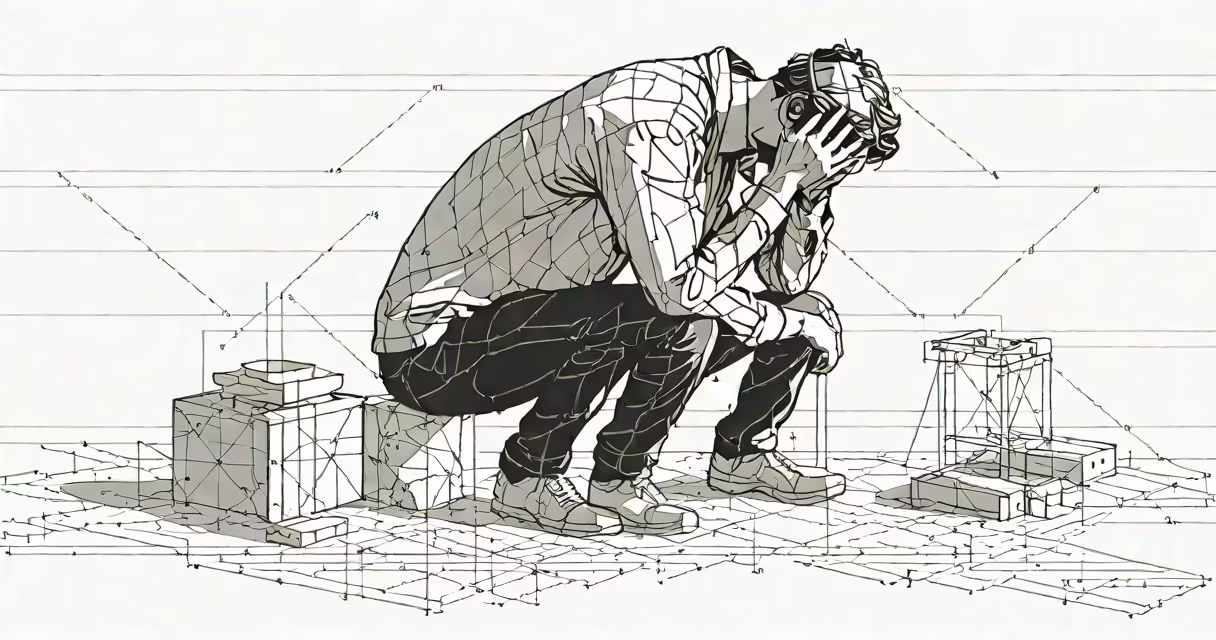
Feeling down on yourself means experiencing persistent negative thoughts about your abilities, worth, or mistakes. It often involves self-criticism, shame, or guilt, and can contribute to anxiety or depression.
This feeling arises when you focus excessively on perceived failures or shortcomings. The brain's negativity bias amplifies these thoughts, making them feel overwhelming. Unlike temporary sadness, feeling down on yourself lingers and affects self-esteem.
| Type | Description | Example |
|---|---|---|
| Self-Criticism | Harsh judgment of your actions or character | "I'm so stupid for messing that up." |
| Shame | Believing you're fundamentally flawed | "I'm a terrible person for what I did." |
| Guilt | Regret over specific actions | "I shouldn't have said those things." |
Triggers include perfectionism, comparison to others, past trauma, or chronic stress. For example, someone who constantly compares themselves to peers on social media may feel inadequate. A study by the University of Michigan found that frequent social media use correlates with increased feelings of envy and depression.
Many people confuse feeling down on yourself with occasional sadness or low motivation. Unlike temporary mood swings, this feeling persists and harms self-worth. Another mistake is assuming it's a sign of weakness rather than a common human experience.
One effective strategy is practicing self-compassion. Instead of criticizing yourself, treat yourself with kindness, as you would a close friend. Writing down negative thoughts and reframing them in a balanced way can also help. For instance, instead of thinking, "I failed," consider, "I faced a challenge and learned from it."
Physical activity, such as walking or yoga, releases endorphins, which improve mood. Connecting with supportive friends or family provides emotional relief. If feelings persist, seeking professional help, like therapy, can offer long-term strategies.
I once felt down on myself after a project failure at work. By focusing on small wins and talking to a mentor, I shifted my mindset. Recognizing that setbacks are part of growth helped me move forward.