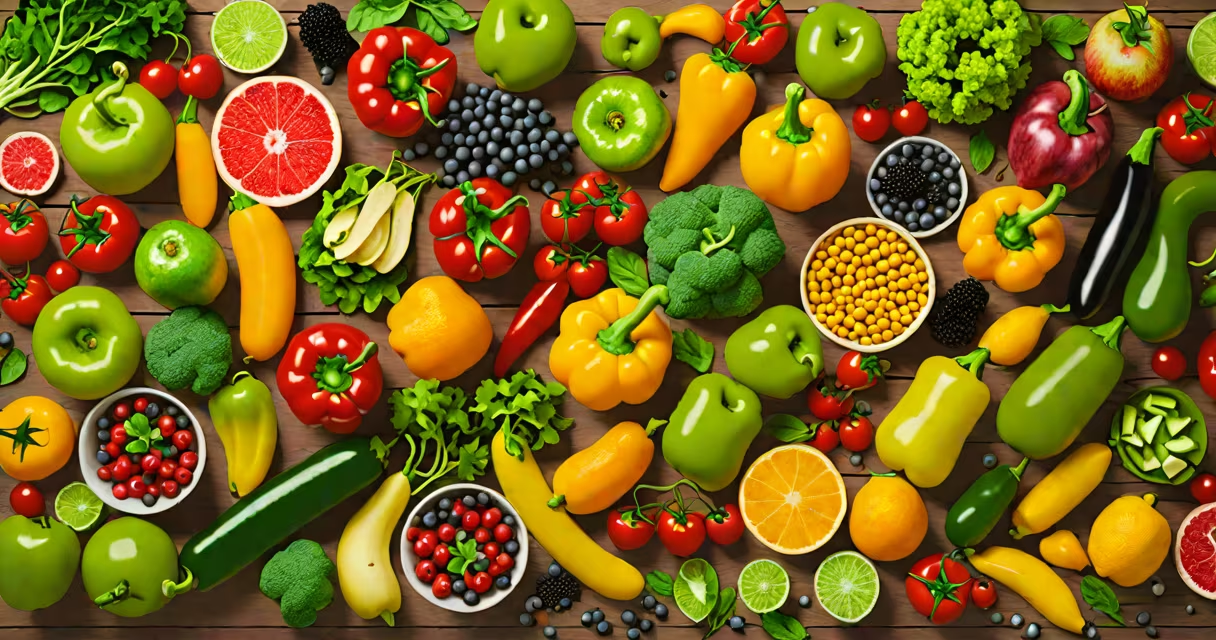
A FODMAP free diet excludes fermentable carbohydrates that trigger digestive symptoms in sensitive individuals, particularly those with irritable bowel syndrome (IBS). This elimination diet identifies food intolerances by removing high-FODMAP foods, then reintroducing them systematically.
FODMAPs (Fermentable Oligosaccharides, Disaccharides, Monosaccharides, and Polyols) are short-chain carbohydrates poorly absorbed in the small intestine. They draw water into the gut and ferment, causing gas, bloating, and discomfort. A FODMAP free diet temporarily removes these triggers, allowing the gut to heal.
The diet has three phases: elimination (2-6 weeks), reintroduction (6-8 weeks), and personalization (ongoing). During elimination, all high-FODMAP foods are cut out. Reintroduction tests individual tolerances by adding one food group at a time. Personalization tailors the diet based on identified triggers.
Low-FODMAP foods include:
High-FODMAP foods to avoid include wheat, garlic, onions, apples, and certain legumes. For a full list of foods to avoid, see what not to eat on a FODMAP diet.
Primarily designed for IBS sufferers, the diet also helps those with small intestinal bacterial overgrowth (SIBO), functional dyspepsia, or non-celiac gluten sensitivity. Studies show 75% of IBS patients experience symptom relief with a low-FODMAP diet (Monash University, 2023).
However, it's not a long-term solution. The goal is to identify individual triggers, then expand the diet safely. Many people find they tolerate some high-FODMAP foods in moderation.
Another mistake is assuming all dairy is off-limits. Lactose-free milk and hard cheeses like cheddar and parmesan are low-FODMAP. Yogurt with live cultures may also be tolerated in small amounts.
When I first tried a FODMAP free diet, I was surprised by how many foods I thought were healthy-like garlic and apples-triggered my symptoms. After six weeks of elimination, I reintroduced foods one by one. I discovered I could tolerate small amounts of maple syrup and occasional servings of kiwi, which helped me design a sustainable eating plan.
Working with a dietitian specializing in FODMAPs is important. They provide personalized guidance and ensure nutritional balance during the elimination phase. The diet can be restrictive, so professional support helps prevent deficiencies.
Research suggests FODMAPs may influence gut microbiota composition. Some evidence links high-FODMAP diets to increased gut diversity, which could benefit health. However, more studies are needed to understand long-term effects.
For those with IBS, a FODMAP free diet offers significant symptom relief. By identifying individual triggers, it allows for a broader, healthier diet over time. Always consult a healthcare provider before starting any elimination diet.