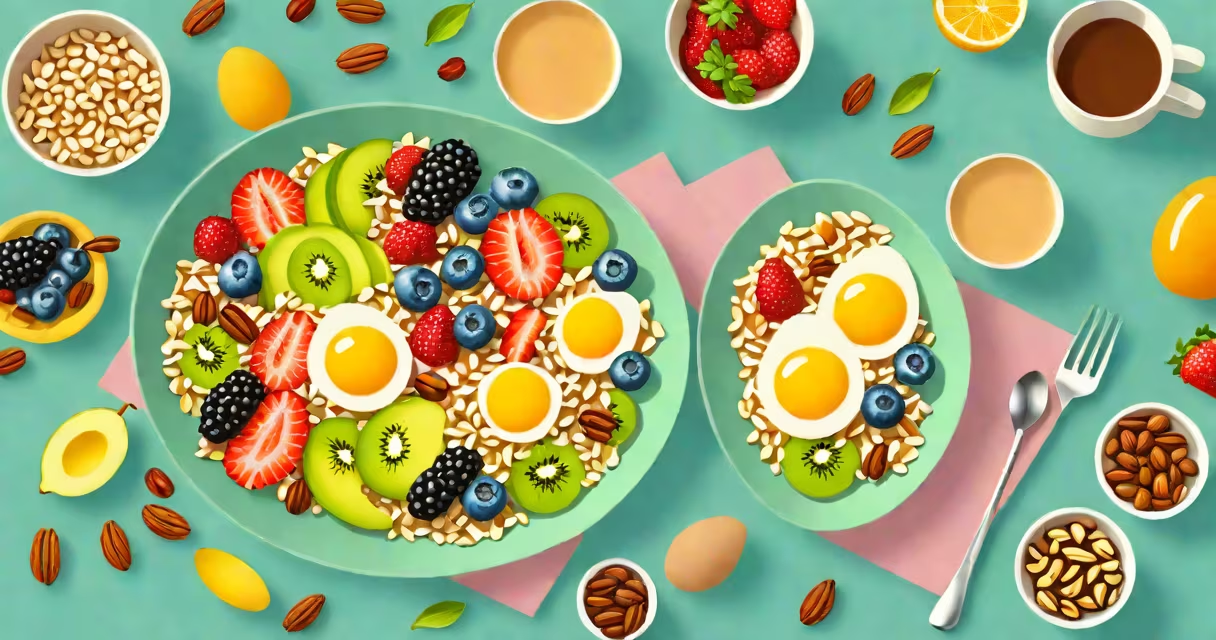
Food that is good for breakfast provides sustained energy, essential nutrients, and satiety to support your morning activities. A balanced breakfast typically includes protein, fiber, and healthy fats.
Breakfast foods that are high in protein and fiber help stabilize blood sugar levels, preventing energy crashes later in the morning. For example, Greek yogurt with berries offers protein, antioxidants, and fiber. Eggs provide high-quality protein and vitamins like B12 and D.
The best breakfast foods fall into several categories:
For instance, a breakfast of oatmeal with almonds, bananas, and a drizzle of honey combines all these nutrient groups.
Skipping breakfast can lead to overeating later in the day and may contribute to weight gain. According to the National Institutes of Health, regular breakfast consumption is linked to better cognitive function and lower risk of chronic diseases.
Many people believe that breakfast must be eaten within the first hour of waking. However, the timing is less important than the nutritional content. Another myth is that breakfast must be large; smaller, nutrient-dense meals can be just as effective.
I once tried skipping breakfast to see how it affected my energy levels. By mid-morning, I felt sluggish and had trouble concentrating, which aligns with research showing the benefits of eating a balanced breakfast.
Breakfast foods often focus on quick energy release and long-lasting satiety, unlike dinner, which might emphasize lighter, easier-to-digest foods. For example, eggs and whole grains are common breakfast foods but can be eaten at any time of the day.
Choosing food that is good for breakfast sets the tone for the rest of your day by providing essential nutrients and steady energy. Incorporating different protein, fiber, and healthy fats ensures a balanced start to your morning.