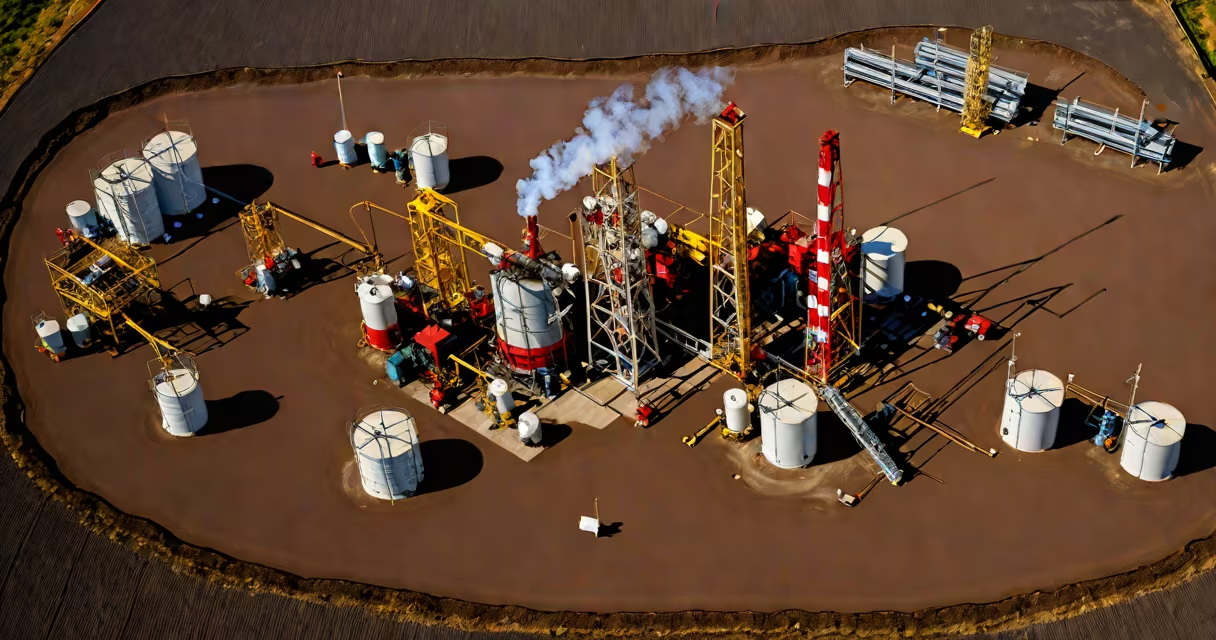
Fracking air quality refers to the degradation of air quality caused by hydraulic fracturing, a method of extracting natural gas and oil from deep underground. This process releases various pollutants into the air, impacting nearby communities and ecosystems.
Hydraulic fracturing involves injecting high-pressure fluid into rock formations to release trapped natural gas. This process emits volatile organic compounds (VOCs), methane, and other hazardous air pollutants. These emissions contribute to smog formation, respiratory issues, and long-term health risks for those living near fracking sites.
The primary pollutants released during fracking include:
Fracking is prevalent in regions with significant shale formations, such as the Marcellus Shale in the northeastern United States and the Bakken Shale in North Dakota. The process is used to extract natural gas and oil from these formations, which are otherwise inaccessible through traditional drilling methods.
Many people believe that fracking only affects water quality, overlooking its significant impact on air quality. While water contamination is a serious concern, the release of VOCs, methane, and other pollutants into the air poses equally severe risks., some argue that regulations adequately control these emissions, but enforcement and monitoring gaps often lead to higher-than-reported pollution levels.
For instance, a study published in the journal Science found that methane emissions from fracking sites were higher than previously estimated. This highlights the need for stricter regulations and better monitoring practices to mitigate the environmental impact of fracking.
To assess the impact of fracking on air quality, researchers use air monitoring stations to measure pollutant levels. These stations are placed near fracking sites to collect data on VOCs, methane, and particulate matter. The data is then analyzed to determine the extent of pollution and its potential health effects on nearby communities.
For more detailed information on measuring air quality, see how to measure air quality.
| Activity | Primary Pollutants | Health Risks |
|---|---|---|
| Fracking | VOCs, Methane, Particulate Matter | Respiratory diseases, cancer, climate change |
| Coal Mining | Particulate Matter, Sulfur Dioxides | Respiratory diseases, acid rain |
| Oil Refineries | VOCs, Nitrogen Oxides, Sulfur Dioxides | Respiratory diseases, smog, acid rain |
While all industrial activities have some impact on air quality, fracking stands out due to its high emission rates of methane and VOCs. These pollutants contribute to global climate change.
Several regulations aim to control the emissions from fracking sites. For example, the Environmental Protection Agency (EPA) in the United States has implemented rules to reduce VOC and methane emissions from oil and gas operations. However, enforcement remains a challenge, and many sites still exceed the permitted emission levels.
To mitigate the impact of fracking on air quality, companies are encouraged to adopt better practices, such as using advanced technologies to capture emissions and implementing regular monitoring programs. Communities near fracking sites can also advocate for stricter regulations and better enforcement to protect their health and environment.
Fracking air quality is a critical issue that affects the health and well-being of communities near fracking sites. Understanding the pollutants released during fracking and their impact on air quality is essential for developing effective mitigation strategies. By adopting stricter regulations and better practices, we can reduce the environmental impact of fracking and protect public health.
For more information on maintaining clean air, see evergreen air quality.