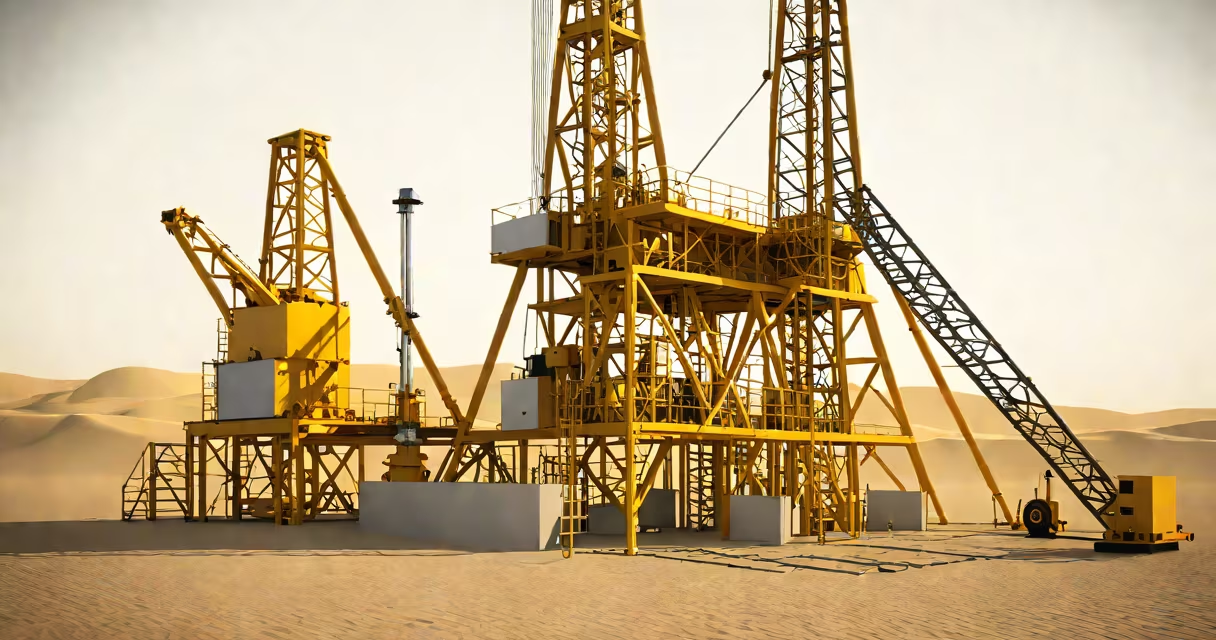
Fracking oil is extracting petroleum from deep rock formations by injecting high-pressure fluid to fracture them. This process, called hydraulic fracturing, accesses oil trapped in shale and other low-permeability rocks.
A fracking well starts as a vertical hole drilled miles underground. Once it reaches the target rock layer, the drill turns horizontally, extending for thousands of feet. Workers then pump a mix of water, sand, and chemicals into the well at extreme pressure, creating tiny fractures in the rock. The sand holds these fractures open, allowing oil to flow into the well.
Fracking fluids vary by location and formation but typically contain:
Additives include friction reducers, biocides, and corrosion inhibitors. Some companies use foam-based fluids to reduce water usage.
Fracking revolutionized U.S. oil production, especially in shale plays like the Permian Basin (Texas/New Mexico) and Bakken Formation (North Dakota). Before fracking, extracting oil from these tight formations was economically unfeasible. Now, fracking accounts for over 60% of U.S. oil output.
Fracking targets unconventional reservoirs where oil doesn't flow naturally. By creating artificial pathways, it unlocks resources previously inaccessible to conventional drilling. This has increased global oil supplies since the 2000s.
Many confuse fracking with offshore drilling or tar sands extraction. Unlike those methods, fracking operates on land and targets shale formations. Another myth is that fracking always causes earthquakes. While it can trigger minor seismic activity, proper regulation minimizes risks.
Some argue fracking pollutes groundwater. However, modern techniques place wells far below drinking water aquifers. The U.S. Environmental Protection Agency found no evidence of widespread contamination when proper safeguards are in place.
Each step requires precise engineering and monitoring to ensure safety and efficiency. Modern fracking operations use advanced technologies like automated control systems and real-time data monitoring.
While fracking boosts energy production, it raises concerns about water usage, air emissions, and wastewater disposal. Proper regulations address these issues through requirements like:
The industry continues developing cleaner technologies, such as waterless fracking methods using propane gel instead of water.
I've visited fracking sites in Texas and observed strict safety protocols. Workers follow rigorous procedures to minimize environmental impact while maximizing resource recovery.
For more on controversial topics, see this guide.