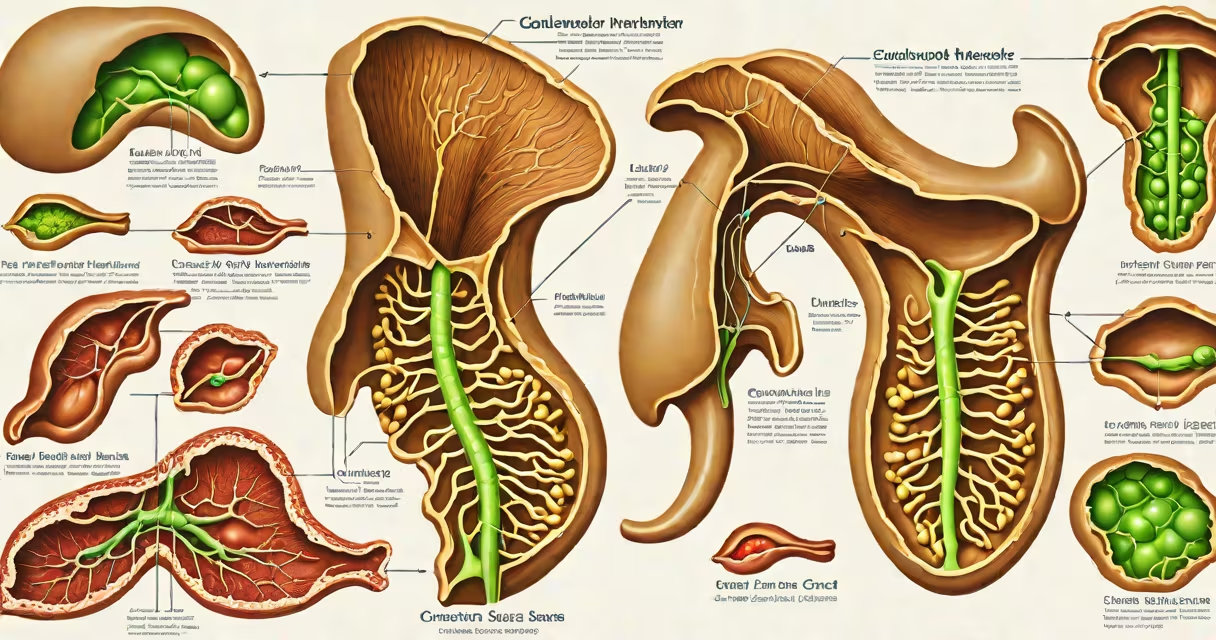
A gallbladder attack causes sudden, intense pain in the upper-right abdomen, often after eating fatty foods. A pulled muscle creates soreness, stiffness, or sharp pain in the back or abdomen, usually from strain or injury.
The gallbladder stores bile, which aids digestion. When gallstones block bile flow, pressure builds, causing pain. This pain typically lasts 15 minutes to several hours. Gallbladder pain often radiates to the right shoulder or back, mimicking muscle pain.
A pulled muscle occurs when muscle fibers tear due to overuse, strain, or injury. The pain is usually localized to the affected area and worsens with movement. Unlike gallbladder pain, muscle pain often improves with rest and gentle stretching.
Abdominal pain can stem from organs (like the gallbladder) or muscles. Back pain is almost always muscular unless caused by organ issues like kidney stones.
| Type | Location | Triggers | Duration |
|---|---|---|---|
| Gallbladder pain | Upper-right abdomen, radiating to shoulder/back | Fatty foods, stress | 15 min to hours |
| Pulled muscle | Back or abdomen, localized | Strain, injury, overuse | Days to weeks |
I once mistook gallbladder pain for a pulled muscle after eating greasy takeout. The pain worsened, and an ultrasound confirmed gallstones. Always err on the side of caution with unexplained abdominal pain.
Many assume all abdominal pain is digestive. However, gallbladder pain differs from muscle pain in duration and triggers. Unlike muscle pain, gallbladder pain doesn't improve with movement.
Doctors diagnose gallbladder issues with imaging tests. Treatment may involve lifestyle changes or surgery. Muscle strains are diagnosed through physical exams and treated with rest and physical therapy.