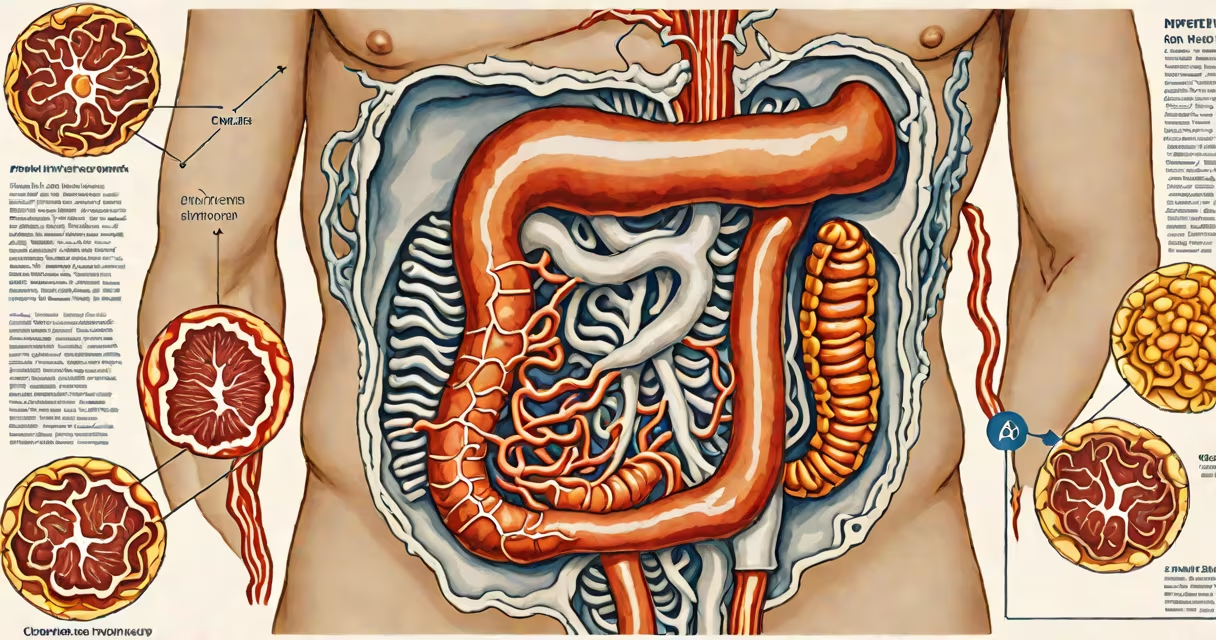
Gas buildup in intestines occurs when swallowed air or gas produced during digestion accumulates in the digestive tract, causing discomfort, bloating, or flatulence. This common issue arises from normal digestion but can become problematic when excess gas isn't expelled.
Gas enters the intestines in two ways: swallowing air (aerophagia) and bacterial fermentation of undigested food. The average person produces 1-4 pints of gas daily, mostly composed of nitrogen, oxygen, carbon dioxide, hydrogen, and methane. Most gas is odorless; sulfur compounds cause the unpleasant smell.
Gas moves through the digestive system via peristalsis (muscle contractions) and is typically expelled through belching or flatulence. When gas movement slows or production increases, buildup occurs.
The two primary types of intestinal gas are swallowed air and digestive gas. Swallowed air often results from eating too quickly, chewing gum, or drinking carbonated beverages. Digestive gas forms when gut bacteria break down undigested carbohydrates in the colon.
| Type | Common Causes | Examples |
|---|---|---|
| Swallowed Air | Eating too fast, chewing gum, drinking through straws | Carbonated drinks, hard candy |
| Digestive Gas | High-fiber foods, lactose intolerance, fructose malabsorption | Beans, broccoli, dairy products |
Most cases of gas buildup resolve with lifestyle changes. Eating slowly, avoiding chewing gum, and reducing carbonated drinks can minimize swallowed air. For digestive gas, identifying and limiting problematic foods helps. Over-the-counter medications like simethicone or activated charcoal may provide relief.
Probiotics and digestive enzymes can also aid digestion. Regular exercise promotes gas movement through the intestines. If symptoms persist, consulting a healthcare provider is wise.
While occasional gas buildup is normal, persistent or severe symptoms may indicate an underlying condition. Seek medical attention if gas is accompanied by abdominal pain, diarrhea, constipation, or unexplained weight loss. These symptoms could signal conditions like irritable bowel syndrome (IBS), celiac disease, or small intestinal bacterial overgrowth (SIBO).
A study published in the journal Gastroenterology found that up to 30% of people with IBS report excessive gas as a primary symptom. Proper diagnosis and treatment can improve quality of life.
Many believe gas buildup is solely due to dietary choices. While diet plays a role, other factors like swallowing air, gut bacteria imbalance, and digestive disorders contribute. Another myth is that all gas is odorless; sulfur-containing compounds from protein digestion cause the unpleasant smell.
I once helped a friend suffering from frequent bloating. After tracking their diet, we identified beans and dairy as triggers. Adjusting their meals reduced symptoms, proving the importance of personalized solutions.