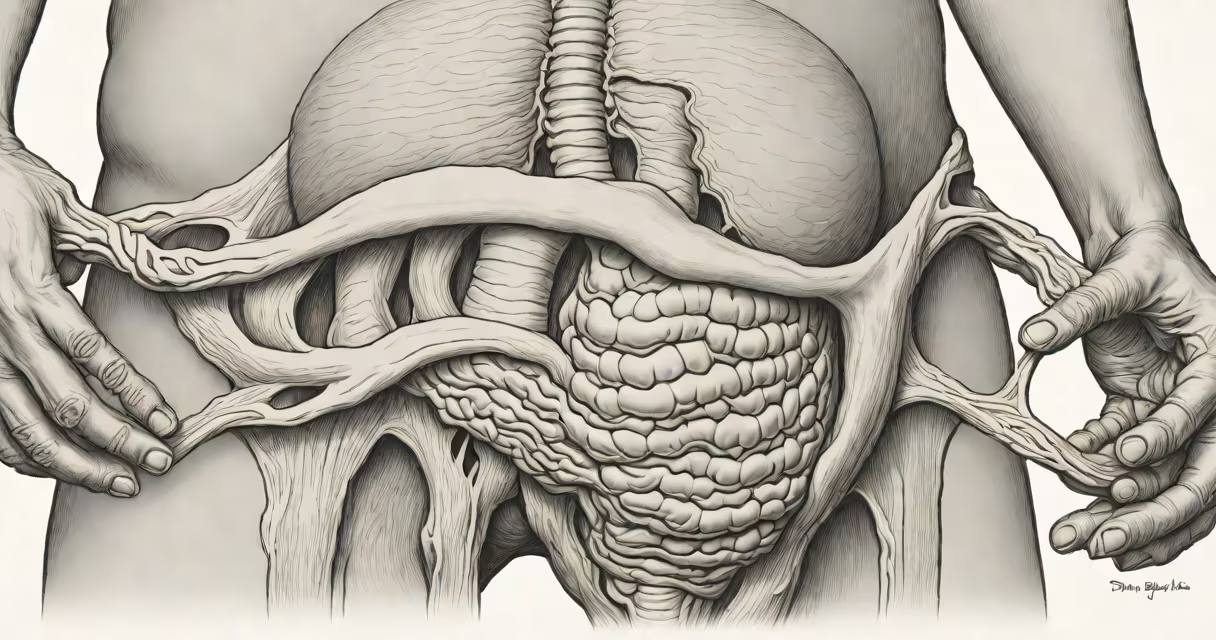
A gastric diverticulum is a rare outpouching in the wall of the stomach, typically causing symptoms like chronic stomach pain, nausea, and bloating. These symptoms often mimic other digestive disorders, leading to misdiagnosis.
Gastric diverticula occur when the stomach wall weakens and bulges outward, forming a pouch. They are most common near the pyloric valve, which controls food passage from the stomach to the small intestine. The exact cause is unknown, but they may develop due to congenital defects or acquired conditions like peptic ulcers.
| Type | Location | Common Symptoms |
|---|---|---|
| True (congenital) | Near the pylorus | Chronic abdominal pain, nausea |
| False (acquired) | Along the greater curvature | Bloating, early satiety |
During my residency, I encountered a patient with persistent epigastric pain and vomiting. Initial tests suggested a peptic ulcer, but a follow-up CT scan revealed a large diverticulum near the pylorus. After surgical removal, the patient's symptoms resolved completely. This case underscored the importance of considering rare conditions when common treatments fail.
If you experience persistent stomach pain, unexplained weight loss, or recurring nausea and vomiting, consult a healthcare provider. Early diagnosis improves treatment outcomes and reduces complications like perforation or bleeding.