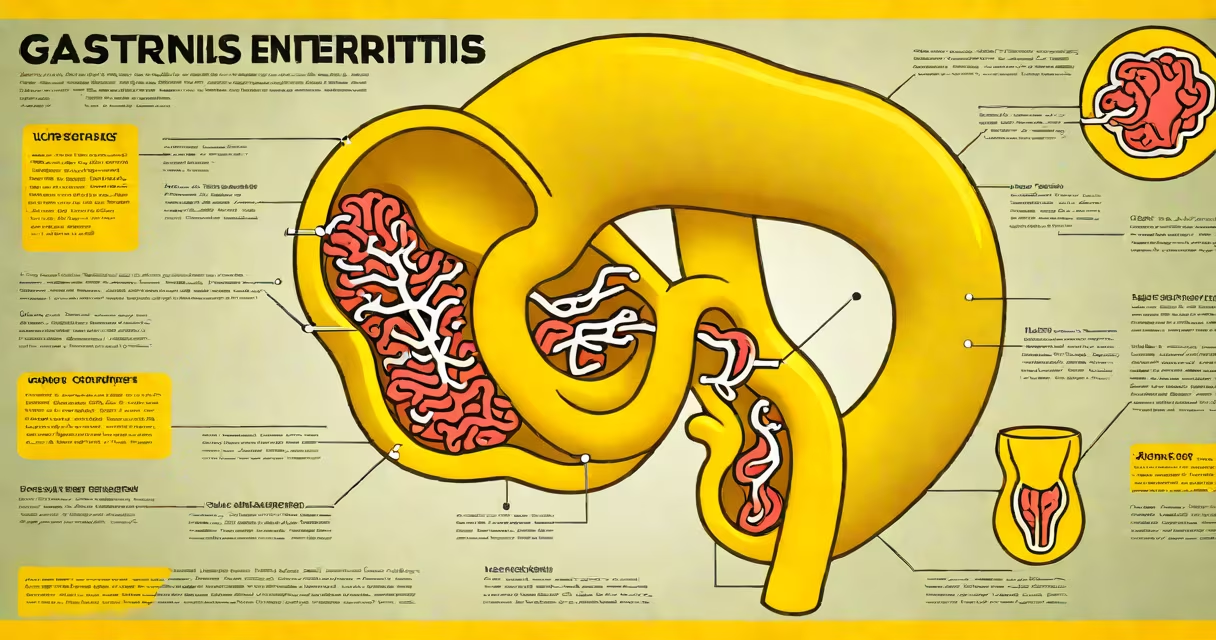
Gastroenteritis yellow diarrhea refers to watery, yellow-colored bowel movements caused by inflammation of the stomach and intestines, typically from infections or digestive disorders. This condition often includes vomiting, abdominal cramps, and nausea.
Gastroenteritis irritates the lining of the gastrointestinal tract, speeding up digestion and reducing nutrient absorption. This rapid transit leaves stool less time to turn brown, resulting in yellow diarrhea. Viruses like norovirus or rotavirus, bacteria such as E. coli or Salmonella, and parasites like Giardia are common culprits. Non-infectious causes include food intolerances, such as lactose intolerance, or conditions like celiac disease.
The most common types of gastroenteritis are viral, bacterial, and parasitic. Viral gastroenteritis is the most frequent, often causing mild to moderate symptoms. Bacterial infections can lead to more severe symptoms, including bloody diarrhea. Parasitic infections are less common but can cause prolonged illness.
| Type | Common Causes | Typical Duration |
|---|---|---|
| Viral | Norovirus, rotavirus | 1-3 days |
| Bacterial | E. coli, Salmonella | 4-8 days |
| Parasitic | Giardia | Several weeks |
Gastroenteritis yellow diarrhea often follows consuming contaminated food or water. It can also spread through close contact with infected individuals. The condition is more common in children, the elderly, and those with weakened immune systems. Proper hygiene, such as handwashing and cooking food thoroughly, can prevent many cases.
Many people assume yellow diarrhea is always severe or indicates a serious underlying condition. While it can signal gastroenteritis, it often resolves within a few days with rest and hydration. However, persistent yellow diarrhea, especially with blood or high fever, warrants medical attention.
Another misconception is that yellow diarrhea always results from dietary changes. While diet can influence stool color, infections are the primary cause of gastroenteritis-related yellow diarrhea. For example, a sudden switch to a low-fat diet might temporarily turn stools pale, but gastroenteritis typically involves additional symptoms like vomiting and cramps.
Most cases of gastroenteritis yellow diarrhea resolve on their own with supportive care. Drinking plenty of fluids, especially oral rehydration solutions, helps replace lost electrolytes. Over-the-counter medications can manage symptoms like diarrhea and nausea. Antibiotics may be necessary for bacterial infections, while antiviral treatments are rarely needed for viral cases.
I once cared for a friend with gastroenteritis who experienced yellow diarrhea for three days. Rest, hydration, and a bland diet helped them recover quickly. They avoided dairy and fatty foods, which can worsen diarrhea. Within a week, their symptoms resolved completely.