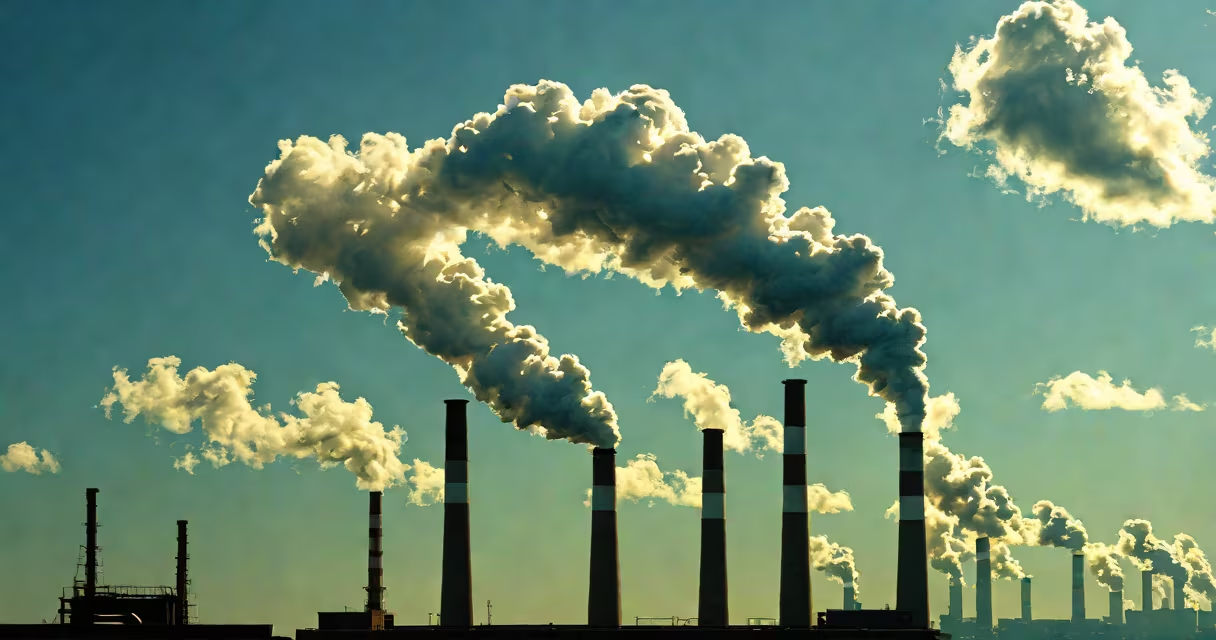
Global warming by air pollution occurs when greenhouse gases from human activities trap heat in Earth's atmosphere, raising global temperatures. This process primarily involves carbon dioxide, methane, and nitrous oxide released through burning fossil fuels, deforestation, and industrial processes.
Air pollution contributes to global warming by altering Earth's energy balance. Greenhouse gases absorb infrared radiation emitted by the Earth's surface, preventing it from escaping into space. This creates a "greenhouse effect," where heat is retained, leading to higher global temperatures. According to the Intergovernmental Panel on Climate Change (IPCC), human activities have caused approximately 1.1°C of warming since pre-industrial times.
The primary pollutants driving global warming are:
Forests, which absorb CO₂, are particularly vulnerable. Deforestation reduces Earth's ability to regulate atmospheric CO₂ levels, exacerbating global warming. The Amazon rainforest, for example, absorbs nearly 2 billion tons of CO₂ annually, but deforestation has reduced its capacity.
Many people confuse global warming with natural climate variability. While Earth's climate has always changed, the current rate of warming is new and primarily driven by human activities. Natural factors like volcanic eruptions and solar radiation play minor roles compared to greenhouse gas emissions.
Another misconception is that global warming only affects polar regions. In reality, it impacts every region, from increasing heatwaves in cities to altering rainfall patterns in agricultural areas. For instance, California has experienced severe droughts due to rising temperatures, affecting water supplies and agriculture.
Reducing global warming requires collective action. Transitioning to renewable energy sources like solar and wind power decreases reliance on fossil fuels. Energy-efficient practices, such as using LED lighting and improving insulation in buildings, also lower emissions. Planting trees and restoring forests helps absorb CO₂ from the atmosphere.
Global warming by air pollution is a critical issue requiring immediate attention. By understanding its causes and effects, we can take steps to mitigate its impact and protect our planet for future generations.