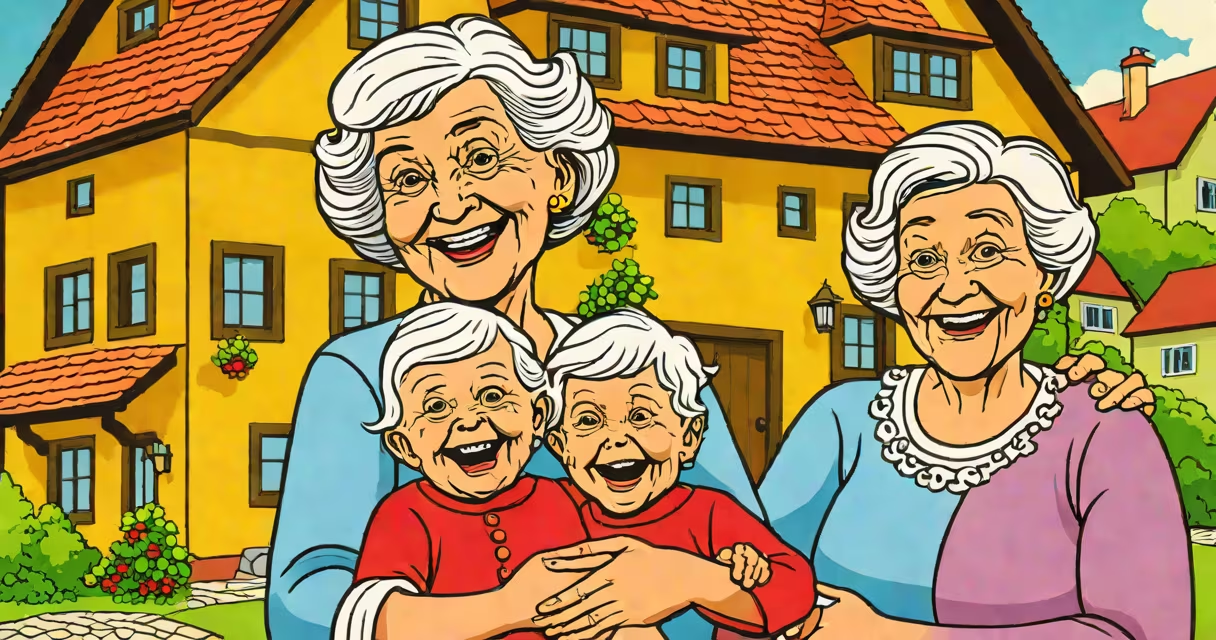
In German, "grandma" translates to multiple words depending on region and dialect, with "Oma" being the most common. These terms reflect Germany's linguistic diversity and cultural values around family.
German distinguishes between formal and informal terms for grandmother. "Großmutter" is the formal, neutral term, while regional nicknames like "Oma" or "Omi" are affectionate and widely used. Unlike English, which has one primary word, German speakers choose based on local tradition and personal preference.
| Term | Region/Dialect | Notes |
|---|---|---|
| Oma | Standard German, Northern Germany | Most common, derived from "große Mutter" (big mother) |
| Omi | Swiss German, Southern Germany | Diminutive form, often used by children |
| Grossmama | Southern Germany, Austria | Less common, combines "gross" (big) and "mama" |
While "Großmutter" appears in official documents and formal contexts, Germans typically use affectionate nicknames in daily life. The term chosen often reflects the speaker's regional background or family traditions. For example, someone from Bavaria might use "Oma" even if their ancestors spoke Bavarian dialects using different terms.
These terms show Germany's cultural emphasis on family closeness. Grandparents often play significant roles in childcare and family gatherings, making these affectionate names important in daily interactions.
Many learners confuse "Oma" with "Uroma," which actually means "great-grandmother." Another mistake is assuming "Großmutter" is always formal-while it is neutral, it's not inherently distant or respectful in the way English "grandmother" can sometimes sound.
Firsthand observation: When visiting a friend's family in Munich, I noticed they used "Oma" for their grandmother, while their Austrian relatives used "Grossmama." This regional variation surprised me until I learned about Germany's historical linguistic divisions.
To address a grandmother, start with "Oma" or the regional equivalent, then her first name (e.g., "Oma Anna"). For great-grandmothers, use "Uroma" plus the first name. In formal writing, use "Sehr geehrte Frau [Lastname]" followed by "Großmutter" if needed.
Many German families celebrate "Großeltern-Tag" (Grandparents' Day) on the first Sunday in September, honoring the important role grandparents play. This tradition underscores how deeply intergenerational bonds are valued in German culture.
According to the Federal Statistical Office of Germany, about 15% of children under 15 live with at least one grandparent, showing the practical importance of these family relationships. The affectionate terms reflect this closeness, making them more than just words-they're expressions of love and connection.