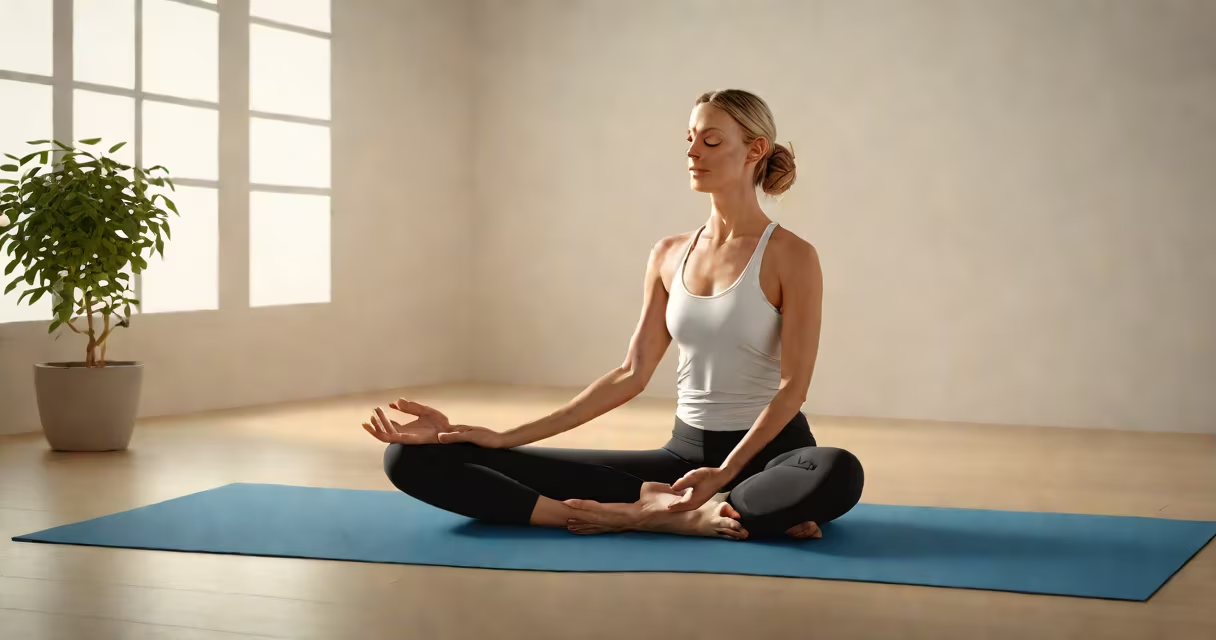
Guided relaxation techniques are step-by-step methods that help reduce stress and anxiety through focused breathing, body awareness, and mental visualization. These practices typically involve following verbal instructions from a trained professional or recorded audio.
These techniques work by activating the parasympathetic nervous system, which counteracts the body's stress response. By focusing attention on the present moment and releasing physical tension, guided relaxation creates a state of calm. Research from the American Psychological Association shows that regular practice can lower cortisol levels, the hormone associated with stress.
The most common types include:
Guided relaxation techniques are used in hospitals, therapy offices, and wellness centers to manage stress, anxiety, and even chronic pain. They're particularly effective for people who struggle with racing thoughts or physical tension. A 2020 study published in JAMA Internal Medicine found that mindfulness meditation reduced symptoms of anxiety disorders by 30%.
Many people use these techniques at home via smartphone apps or YouTube videos. The key is consistency-practicing daily for even 5-10 minutes can yield noticeable benefits.
Some people assume guided relaxation requires complete silence or a perfect environment. In reality, these techniques can be adapted to noisy or busy settings. For example, I've used breath awareness while commuting on a crowded train by focusing on the rise and fall of my chest rather than trying to control external noise.
Another mistake is expecting immediate results. While some people feel relaxed after one session, others need several weeks of regular practice to notice significant changes.
Begin with a technique that feels manageable, such as breath awareness or a short PMR session. Many free resources are available online, including guided audio tracks and instructional videos. For those dealing with severe anxiety, working with a therapist can provide personalized guidance.
Remember that the goal isn't perfection-even occasional practice offers benefits. As Harvard Medical School notes, "regular practice is more important than the duration of each session."