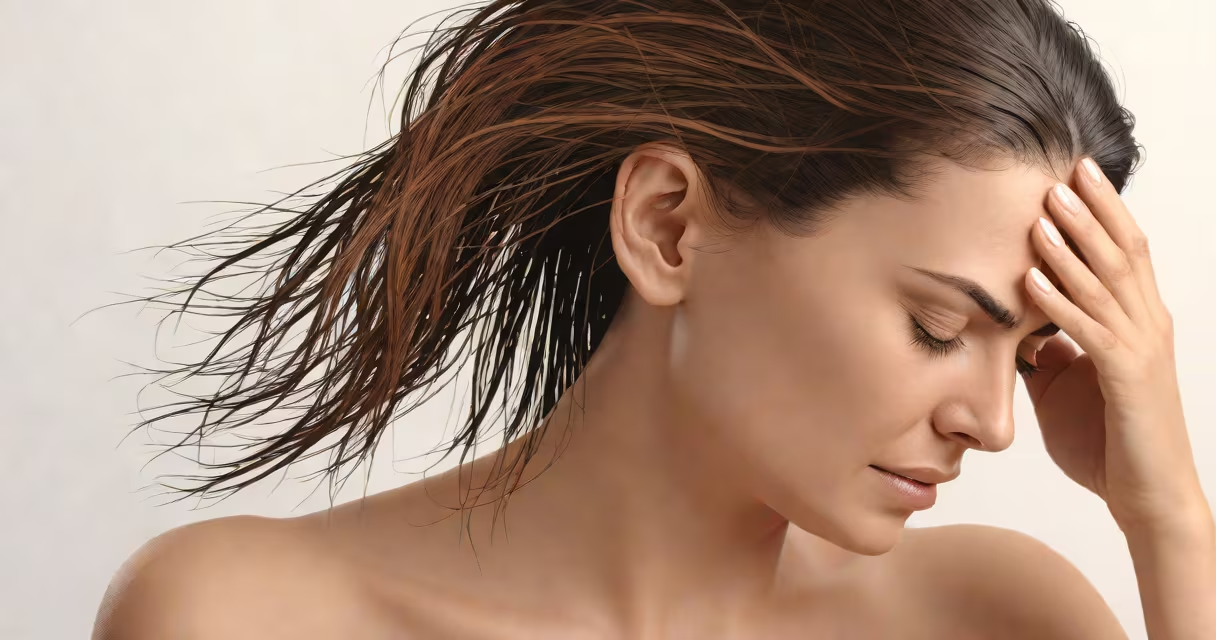
Hair fall and headache often occur together due to shared causes like stress, nutritional deficiencies, or scalp conditions. These symptoms can signal underlying health issues requiring attention.
Scalp tension, inflammation, or poor circulation can trigger both hair loss and headaches. For example, tight hairstyles like ponytails or braids may pull on hair follicles, causing traction alopecia and tension headaches.
Stress is another common link. High cortisol levels weaken hair follicles and tighten scalp muscles, leading to both hair shedding and tension-type headaches.
| Cause | Impact on Hair | Impact on Head |
|---|---|---|
| Stress | Triggers telogen effluvium (temporary hair shedding) | Causes tension headaches |
| Nutritional deficiencies | Weakens hair follicles (iron, zinc, biotin) | May cause migraines or tension headaches |
| Scalp conditions (dandruff, psoriasis) | Irritation leads to hair loss | Can cause scalp sensitivity and pain |
| Hormonal imbalances | Androgenetic alopecia (pattern baldness) | May contribute to migraines |
Persistent hair fall and frequent headaches may indicate serious conditions like thyroid disorders, anemia, or autoimmune diseases. Seek medical advice if hair loss exceeds 100 hairs daily or headaches disrupt sleep.
Doctors may recommend blood tests, scalp biopsies, or imaging to identify underlying causes. Treatment options include stress management, dietary changes, or medications like minoxidil for hair regrowth.
Avoid tight hairstyles and use gentle hair care products. Maintain a balanced diet rich in iron, zinc, and vitamins to support hair health. Manage stress through exercise, meditation, or therapy.
Last winter, I noticed increased hair fall and occasional headaches. After consulting a dermatologist, I adjusted my diet and reduced stress. Within months, my hair thickened, and headaches became rare.
For persistent issues, consult a healthcare professional. Early intervention can prevent long-term damage and improve well-being.