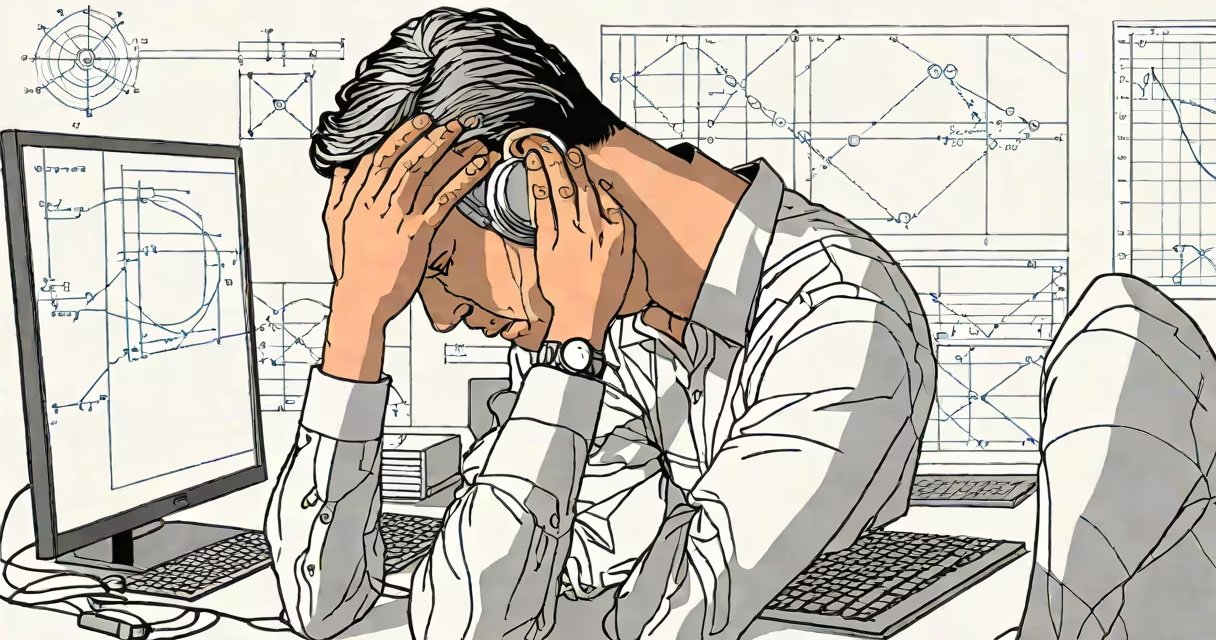
A headache related to vision occurs when eye strain, improper focus, or visual processing issues trigger pain around the forehead, temples, or behind the eyes. These headaches often result from uncorrected refractive errors like nearsightedness, farsightedness, or astigmatism, or from prolonged near-work tasks like reading or using digital devices.
Vision-related headaches arise when the eye muscles work too hard to focus or maintain clear vision. This excessive effort strains the muscles and nerves around the eyes, sending pain signals to the brain. Unlike tension headaches, which stem from neck or shoulder muscle tension, these headaches originate from visual system overload.
| Type | Cause | Common Symptoms |
|---|---|---|
| Refractive Error Headache | Uncorrected nearsightedness, farsightedness, or astigmatism | Eye fatigue, blurred vision, throbbing pain around the eyes |
| Digital Eye Strain Headache | Prolonged screen use without proper breaks | Dry eyes, sore neck, dull headache behind the eyes |
| Convergence Insufficiency Headache | Difficulty maintaining eye alignment during near tasks | Double vision, difficulty concentrating, frontal headaches |
These headaches commonly affect office workers, students, and anyone who spends extended periods focusing on close-up tasks. The American Optometric Association estimates that over 60% of Americans experience digital eye strain, which can lead to frequent headaches. Many people don't realize their headaches stem from vision problems until they visit an eye doctor.
For example, Sarah, a graphic designer, experienced daily headaches she assumed were from stress. After an eye exam, she learned she had uncorrected astigmatism. Corrective lenses reduced her headaches by 80%.
Many people confuse vision-related headaches with tension headaches or migraines. While all three can cause pain around the forehead or temples, vision-related headaches often improve with corrective lenses or proper lighting, whereas tension headaches and migraines require different treatments., vision-related headaches rarely include nausea or light sensitivity, which are common in migraines.
According to the American Migraine Foundation, about 12% of the population suffers from migraines, but only a fraction of those cases are misdiagnosed as vision-related headaches. Proper diagnosis is key to effective treatment.
To prevent vision-related headaches, follow the 20-20-20 rule: every 20 minutes, look at something 20 feet away for 20 seconds. Adjust screen brightness to match ambient lighting and use artificial tears if eyes feel dry. Regular eye exams can detect refractive errors early, preventing chronic headaches.
If you suspect your headaches are vision-related, consult an optometrist. Corrective lenses, anti-glare coatings on glasses, and proper workplace ergonomics can reduce symptoms. For severe cases, vision therapy may be recommended to strengthen eye muscles and improve focus.