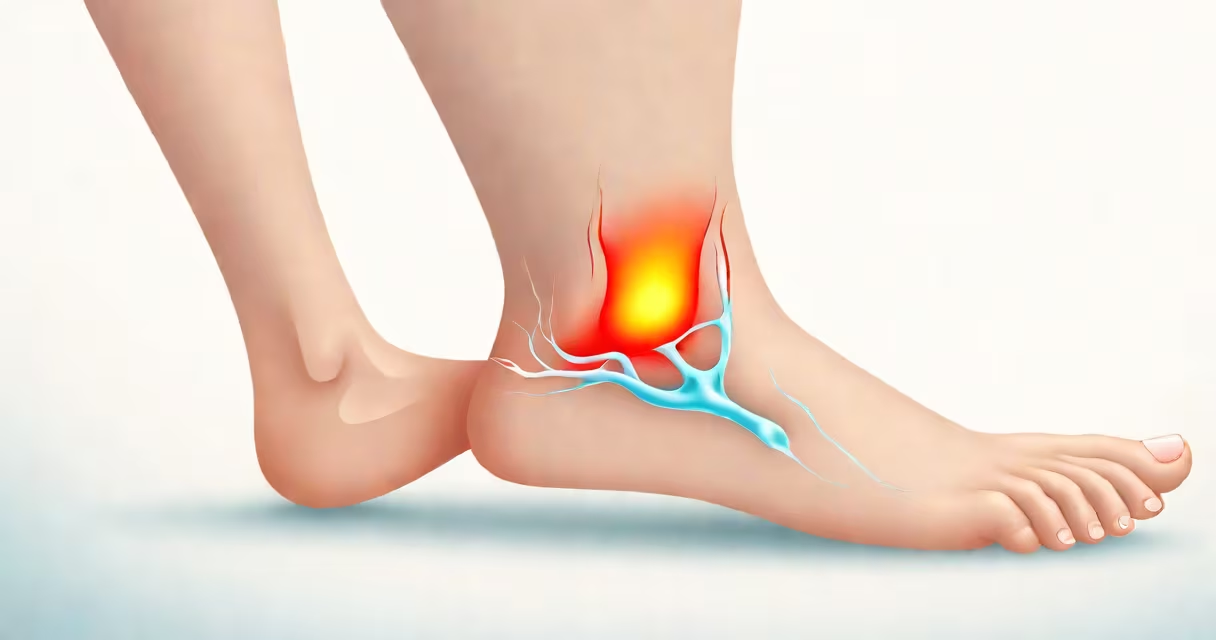
Heel inflammation and pain refers to discomfort or swelling in the heel of the foot, often caused by conditions like plantar fasciitis or Achilles tendinitis. This pain can range and may worsen with activity or after periods of rest.
The heel bone connects to the rest of the foot through a network of ligaments, tendons, and muscles. When these tissues become inflamed or damaged, they can cause pain. The most common causes are overuse, injury, or underlying medical conditions.
| Type | Description | Common Symptoms |
|---|---|---|
| Plantar fasciitis | A condition where the plantar fascia, a thick band of tissue along the bottom of the foot, becomes inflamed. | Sharp pain in the heel, especially in the morning or after long periods of standing. |
| Achilles tendinitis | Inflammation of the Achilles tendon, which connects the calf muscles to the heel bone. | Pain and stiffness along the back of the heel, particularly after exercise. |
| Heel spurs | Calcium deposits that form on the underside of the heel bone, often associated with plantar fasciitis. | Pain when walking or standing, sometimes feeling like a pinprick in the heel. |
Heel inflammation and pain typically occurs due to repetitive stress on the foot, such as running or standing for long periods. It can also result from sudden injuries, such as a fall or twist. Conditions like obesity, arthritis, or wearing unsupportive footwear can increase the risk.
For example, plantar fasciitis is often seen in runners or individuals who spend a lot of time on their feet. The plantar fascia can become strained and inflamed, leading to heel pain. Similarly, Achilles tendinitis is common among athletes who engage in activities that require sudden stops and starts, like basketball or tennis.
Many people assume that heel pain is always due to plantar fasciitis. However, other conditions like Achilles tendinitis, heel spurs, or even nerve issues can cause similar symptoms. It's essential to consult a healthcare provider for an accurate diagnosis.
Another misconception is that heel pain will go away on its own. While some cases may resolve with rest and home care, persistent pain often requires professional treatment. Ignoring heel pain can lead to chronic issues and further complications.
Treatment for heel inflammation and pain depends on the underlying cause. Common approaches include rest, ice, compression, and elevation (RICE), as well as over-the-counter pain relievers. Physical therapy, orthotic devices, and stretching exercises can also help alleviate symptoms.
In severe cases, medical interventions like corticosteroid injections or surgery may be necessary. For instance, if plantar fasciitis does not improve with conservative treatments, a healthcare provider might recommend a corticosteroid injection to reduce inflammation.
I once experienced morning heel pain and discovered it was due to plantar fasciitis. After consulting a podiatrist, I started wearing supportive shoes and doing daily stretching exercises. Within a few weeks, the pain improved.
If heel pain persists for more than a few days or is accompanied by swelling, redness, or warmth, it's important to see a healthcare provider., if the pain interferes with daily activities or worsens over time, medical evaluation is important.